DBL Group Bangladesh Apparel Manufacturer Info

Looking for information about the DBL Group Bangladesh textile and apparel manufacturer info can sometimes feel like a puzzle for newcomers. There’s a lot to sift through, and it’s easy to get lost. But don’t worry!
This guide makes it super simple. We’ll walk you through everything step-by-step. Get ready to learn all about this important company.
Key Takeaways
- You will learn about DBL Group’s history and growth.
- Discover their main product categories and manufacturing capabilities.
- Understand their commitment to sustainability and ethical practices.
- See examples of their global reach and impact in the textile industry.
- Learn about their future outlook and vision.
DBL Group Bangladesh Textile and Apparel Manufacturer Overview
DBL Group is a major player in Bangladesh’s vibrant textile and apparel industry. This company has grown significantly over the years, becoming a respected name both locally and internationally. They are known for producing a wide range of clothing items for many global brands.
Their operations involve complex processes, from sourcing raw materials to the final garment. Understanding their business helps grasp the scale of Bangladesh’s manufacturing power.
Company History and Evolution
The story of DBL Group began with a vision to contribute to Bangladesh’s industrial growth. Starting small, the company steadily expanded its facilities and product lines. This growth wasn’t accidental; it came from smart investments and a focus on quality.
Over decades, DBL Group adapted to changing market demands and technological advancements.
The company’s early years were focused on establishing a strong foundation in garment manufacturing. They built factories and trained a skilled workforce. As they grew, they invested in better machinery and more efficient production methods.
This allowed them to take on larger orders and serve more demanding clients.
A key part of their evolution was diversifying their product offerings. Instead of focusing on just one type of apparel, they moved into different categories. This made them more resilient to market fluctuations.
Their expansion also included backward and forward integration, meaning they became involved in more stages of the supply chain.
From Humble Beginnings to Global Reach
DBL Group’s journey is a testament to entrepreneurial spirit. What started as a modest operation has transformed into a sprawling industrial enterprise. This expansion has not only benefited the company but also created many jobs and economic opportunities in Bangladesh.
Their success is also linked to strong leadership and a clear strategic direction. The management team has consistently made decisions that promote long-term sustainability and growth. This includes adopting new technologies and improving operational efficiency.
The company’s ability to adapt has been crucial.
Today, DBL Group is recognized for its scale and influence. They are a significant contributor to Bangladesh’s economy, particularly in the export sector. Their global reach means their products are found in markets around the world.
Key DBL Group Product Categories
DBL Group manufactures a diverse array of textile and apparel products. Their strength lies in their ability to produce various types of garments, catering to different customer needs. This variety makes them a one-stop solution for many fashion brands.
They produce knitwear, which includes T-shirts, polo shirts, and activewear. These items are popular for their comfort and everyday wearability. The company also excels in woven garments, such as shirts, trousers, and jackets.
This requires different manufacturing techniques and machinery.
Furthermore, DBL Group is involved in producing denim products. Denim is a staple in fashion, and their capabilities in this area are noteworthy. They also handle specialized items like underwear and loungewear, showcasing their broad manufacturing expertise.
Knitwear Production Excellence
Knitwear is a cornerstone of DBL Group’s operations. They have advanced facilities for knitting fabrics and then converting them into finished garments. The elasticity and softness of knit fabrics make them ideal for casual wear.
Their knitwear production lines are highly automated. This ensures consistency in quality and allows for high production volumes. DBL Group uses a variety of yarns, including cotton, polyester, and blends, to meet specific customer requirements for feel and performance.
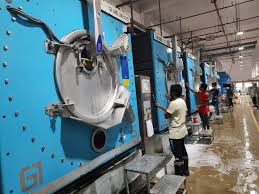
The company places a strong emphasis on fabric quality. They often have in-house dyeing and finishing facilities. This gives them greater control over the look and feel of the final knitted products.
For example, a popular T-shirt might require a specific shade of cotton dyed to perfection.
Woven Apparel Manufacturing
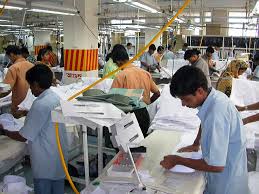
Woven garments require a different approach to manufacturing. DBL Group’s expertise extends to creating structured apparel like formal shirts and trousers. This involves precise cutting and sewing techniques.
Their factories are equipped with specialized machinery for weaving fabric production and garment assembly. This includes machines for precise cutting of fabric panels and advanced sewing machines for durable seams. The attention to detail in woven manufacturing is critical for garment appearance.
DBL Group can handle various fabric types for woven production, from light poplins to heavier drills. They work with international buyers to create garments that meet specific design and fit standards. A well-made woven shirt often involves intricate detailing like pleats and button plackets.
Denim and Speciality Garments
The denim production segment showcases DBL Group’s versatility. Denim requires robust manufacturing processes to achieve its characteristic look and durability. They offer a range of washes and finishes for their denim products.
Speciality garments, such as intimates and loungewear, also form part of their portfolio. These items demand careful handling of delicate fabrics and precise construction for comfort and fit. The company ensures that hygiene and comfort are prioritized in this segment.
DBL Group’s ability to manage these diverse product lines highlights their extensive manufacturing capabilities. They are adept at handling different fabric types, construction methods, and finishing requirements. This makes them a valuable partner for global fashion retailers.
Sustainability and Ethical Practices at DBL Group
In today’s world, a company’s impact on the environment and its workers is just as important as its products. DBL Group has made significant commitments to sustainability and ethical manufacturing. This approach is not just about compliance; it’s about building a responsible business.
They focus on reducing their environmental footprint through various initiatives. This includes efficient use of resources like water and energy. They also work on minimizing waste generated during production.
Ethical treatment of workers is also a top priority.
DBL Group believes that responsible business practices lead to long-term success. They strive to be a model for other companies in the industry, showing that profitability and sustainability can go hand in hand.
Environmental Stewardship
DBL Group implements several strategies to protect the environment. They invest in technologies that reduce pollution and conserve natural resources. For example, they focus on water treatment and recycling to minimize their water usage.
Energy efficiency is another key area. They utilize renewable energy sources where possible and optimize energy consumption in their factories. This reduces greenhouse gas emissions.
Waste management is also critical; they aim to reduce, reuse, and recycle materials.
One notable initiative is their focus on cleaner production processes. This means designing manufacturing methods that produce fewer hazardous byproducts. They also work with their suppliers to ensure sustainable sourcing of raw materials.
Water Conservation Efforts
Water is a precious resource, especially in manufacturing. DBL Group has put in place advanced systems to manage water use effectively. They operate effluent treatment plants (ETPs) to treat wastewater before it is discharged or reused.
These ETPs remove harmful chemicals and pollutants, making the water safe for environmental release. In many cases, treated water is recycled back into their operations for non-critical uses like cooling or cleaning. This significantly reduces their demand for fresh water.
Beyond treatment, they also focus on reducing water consumption at the source. This involves optimizing washing processes and using water-efficient machinery. Their goal is to use as little water as possible while maintaining production quality.
Energy Efficiency and Renewables
DBL Group is committed to reducing its energy consumption and carbon footprint. They conduct regular energy audits to identify areas for improvement. Investments are made in energy-efficient lighting, machinery, and building insulation.
The company explores the use of renewable energy sources, such as solar power. Installing solar panels on factory rooftops can generate clean electricity, offsetting reliance on fossil fuels. This is a growing trend in the textile industry to combat climate change.
Their efforts extend to employee awareness programs about energy saving. By encouraging mindful energy use throughout their facilities, they amplify the impact of their technological investments. This holistic approach to energy management is key to their sustainability goals.
Social Responsibility and Labor Practices
The well-being of employees is paramount for DBL Group. They adhere to strict labor laws and international standards for worker safety and rights. This includes fair wages, reasonable working hours, and a safe working environment.
The company ensures that all employees have access to necessary safety equipment and training. Regular safety inspections are conducted to identify and address any potential hazards. They also promote a culture of respect and inclusivity in the workplace.
DBL Group actively engages with its employees to address concerns and improve working conditions. This commitment to social responsibility is a fundamental part of their business ethos.
Worker Health and Safety Programs
Ensuring a safe and healthy workplace is a top priority. DBL Group implements comprehensive health and safety programs for all its employees. This includes regular health check-ups and access to medical facilities.
Safety training is mandatory for all workers, covering topics like emergency procedures and safe operation of machinery. The factories are designed with safety features, such as fire suppression systems and emergency exits. They aim to prevent accidents and ensure a secure working environment.
A dedicated safety committee oversees the implementation and monitoring of these programs. Their proactive approach helps identify risks before they lead to incidents. This focus on worker health and safety builds trust and morale.
Fair Labor Standards and Employee Welfare
DBL Group is committed to fair labor practices. They ensure that all employees receive fair wages and benefits in compliance with national laws and international conventions. Overtime policies are strictly followed, and employees are compensated appropriately.
The company also supports employee welfare through various initiatives. This can include educational support for employees’ children, transport facilities, and canteens providing nutritious meals. They believe in fostering a supportive work environment where employees feel valued.
Freedom of association and collective bargaining are respected. DBL Group aims to maintain open communication channels with its workforce, promoting a collaborative relationship. This ethical approach is vital for their reputation and long-term sustainability.
DBL Group’s Global Impact and Partnerships
DBL Group’s influence extends far beyond Bangladesh. They are a key supplier for many leading international fashion brands and retailers. This global reach highlights their competitive edge in quality, pricing, and reliability.
Their partnerships with these brands are often long-term, built on trust and consistent performance. DBL Group plays a vital role in the global supply chain for apparel. They contribute to making fashion accessible to consumers worldwide.
The company’s success in the international market is a testament to their adherence to global standards. They meet the stringent quality control and ethical requirements of their multinational clients.
Serving International Fashion Brands
Many well-known fashion companies rely on DBL Group for their manufacturing needs. This includes brands from Europe, North America, and other regions. The scale of their operations allows them to handle large orders efficiently.
DBL Group works closely with these brands to develop and produce collections that align with market trends. This collaborative process involves design input, fabric sourcing, sampling, and mass production. Their ability to manage this complex workflow is crucial.
The company’s commitment to quality assurance ensures that garments meet the high standards expected by these brands. This includes everything from color consistency to seam strength and final appearance. Their reliability makes them a preferred partner.
Case Study: Partnership with a Major European Retailer
One example of DBL Group’s international success is their sustained partnership with a prominent European fashion retailer. This retailer, known for its quality casual wear, has relied on DBL Group for over a decade.
Initially, DBL Group supplied a specific range of T-shirts and polos. Over time, based on consistent quality and timely delivery, the retailer expanded their orders to include more complex knit items and even some woven products.
This partnership has seen DBL Group adapt to the retailer’s specific sustainability goals, including using more organic cotton and recycled polyester. The collaboration demonstrates how a strong supplier relationship can drive innovation and ethical sourcing in the global apparel industry.
Supply Chain Integration and Efficiency
DBL Group focuses on integrating its supply chain for maximum efficiency. This means controlling various stages of production, from yarn spinning to finished garment manufacturing. This integration leads to better quality control and reduced lead times.
By managing multiple aspects of production in-house, they can respond more quickly to changes in demand or design. This also allows for better coordination and communication throughout the manufacturing process.
Their investment in advanced logistics and supply chain management systems ensures that products reach their destinations on time and in optimal condition. This efficiency is a key factor in their competitiveness.
Logistics and Export Operations
Efficient logistics are vital for an export-oriented company like DBL Group. They have well-established processes for managing the export of finished garments to various international markets.
This includes proper packaging, documentation, and coordination with shipping lines and airlines. Their logistics team works to ensure that shipments are delivered according to schedule, minimizing delays and associated costs.
The company also stays updated on international trade regulations and customs procedures, ensuring smooth transit of goods. Their expertise in export operations is a significant asset.
DBL Group’s Future Outlook and Innovations
DBL Group is not resting on its laurels. The company is continuously looking towards the future, focusing on innovation and further growth. They aim to remain at the forefront of the textile and apparel industry.
Key areas of focus include adopting new technologies, expanding product lines, and deepening their commitment to sustainability. They are also exploring new markets and strengthening existing relationships.
Their vision is to be a globally recognized leader in sustainable and innovative garment manufacturing.
Technological Advancements in Manufacturing
DBL Group invests in modern manufacturing technologies to enhance productivity and quality. This includes automated cutting machines, advanced sewing technology, and sophisticated quality control systems.
They also explore digital solutions for supply chain management and data analytics. These tools help optimize operations and provide better insights into production processes and market demands. The use of 3D design and virtual sampling is also becoming more common.
The company is also looking into smart factory concepts, where interconnected machines and systems improve efficiency and enable real-time monitoring.
Embracing Automation and AI
Automation is playing an increasing role in DBL Group’s factories. Automated systems can perform repetitive tasks with high precision and speed, leading to improved output and reduced errors. This can range from automated fabric spreading to robotic sewing in certain applications.
Artificial intelligence (AI) is also being explored for tasks like production planning, demand forecasting, and quality inspection. AI can analyze vast amounts of data to identify patterns and optimize processes, leading to more efficient operations. For instance, AI could help predict potential machine failures, allowing for proactive maintenance.
The integration of automation and AI aims to create a more agile and efficient manufacturing environment, allowing DBL Group to respond better to market changes and customer needs.
Expanding Sustainable Product Lines
DBL Group is committed to expanding its offering of sustainable products. This includes increasing the use of organic cotton, recycled materials, and other eco-friendly fibers.
They work with their clients to develop collections that meet consumer demand for sustainable fashion. This involves sourcing certified materials and ensuring transparency throughout the supply chain.
The company aims to be a leader in producing sustainable apparel, contributing to a more circular economy in the fashion industry. This includes exploring biodegradable materials and end-of-life solutions for garments.
Common Myths Debunked
Myth 1: DBL Group only produces basic T-shirts.
Reality: While DBL Group is a significant producer of knitwear like T-shirts and polo shirts, their capabilities extend much further. They also manufacture a wide range of woven garments, including shirts, trousers, and jackets, as well as specialized items like denim and loungewear. This diverse product portfolio showcases their extensive manufacturing expertise.
Myth 2: Sustainability efforts in the garment industry are just for show.
Reality: For companies like DBL Group, sustainability is a core business strategy. They invest in real initiatives like advanced wastewater treatment plants, energy-efficient machinery, and programs promoting fair labor practices. These efforts have tangible environmental and social impacts, contributing to responsible manufacturing and long-term business viability.
Myth 3: Manufacturing in Bangladesh means lower quality.
Reality: DBL Group is a prime example that contradicts this myth. They work with leading international brands that demand high quality and adhere to strict standards. Their investments in modern technology, skilled labor, and rigorous quality control processes ensure that their products meet global quality benchmarks.
Frequently Asked Questions
Question: What types of apparel does DBL Group manufacture?
Answer: DBL Group manufactures a wide range of apparel including knitwear (T-shirts, polo shirts, activewear), woven garments (shirts, trousers, jackets), denim products, and speciality items like underwear and loungewear.
Question: Is DBL Group involved in sustainable manufacturing?
Answer: Yes, DBL Group is highly committed to sustainability. They focus on water conservation, energy efficiency, renewable energy use, waste management, and ethical labor practices in their operations.
Question: Who are DBL Group’s main customers?
Answer: DBL Group serves numerous leading international fashion brands and retailers from Europe, North America, and other global markets.
Question: Does DBL Group use modern technology in its factories?
Answer: Absolutely. DBL Group invests in advanced manufacturing technologies, automation, and is exploring AI to enhance productivity, quality, and efficiency.
Question: What is DBL Group’s approach to worker welfare?
Answer: DBL Group prioritizes worker health and safety, fair wages, reasonable working hours, and promotes a respectful and inclusive workplace culture through various welfare programs.
Wrap Up
This guide provided key insights into DBL Group Bangladesh textile and apparel manufacturer info. You’ve learned about their history, diverse products, and strong commitment to sustainability and ethical practices. Their global partnerships and future innovations show their leading position.
DBL Group offers a great example of a responsible and forward-thinking manufacturer.