Sterling Alliance Ltd Bangladesh Apparel Profile

Looking into the Sterling Alliance Ltd Bangladesh apparel factory profile can seem tricky at first, especially if you are new to how these company details are presented. It is like trying to read a map without knowing the symbols. But do not worry, this is much simpler than it appears.
We will break it down bit by bit, making it easy to follow. Get ready to see what makes this profile clear and useful for everyone.
Key Takeaways
- You will learn how to read and understand an apparel factory profile.
- We will cover what information is typically included in such profiles.
- Discover why factory profiles are important for businesses and consumers.
- Understand the benefits of knowing about companies like Sterling Alliance Ltd Bangladesh.
- Learn how to find and interpret key data points within a factory profile.
- Gain confidence in assessing the operations and impact of apparel manufacturers.
Understanding the Sterling Alliance Ltd Bangladesh Apparel Factory Profile
A factory profile is a detailed overview of an apparel manufacturing facility. It offers insights into how the factory operates, its production capabilities, labor practices, and quality control measures. For Sterling Alliance Ltd Bangladesh, its profile would paint a picture of its role in the global garment industry.
It helps stakeholders, from buyers to consumers, understand the company’s commitments to ethical production, sustainability, and product quality.
These profiles are crucial because they build trust and transparency. They allow potential partners to assess a factory’s reliability and ethical standards before engaging in business. For consumers, they provide a window into where their clothes come from and the conditions under which they are made.
This knowledge empowers informed purchasing decisions.
What a Factory Profile Contains
A comprehensive profile typically includes basic company information such as the factory’s name, location, and size. It will list the types of garments it specializes in producing, like t-shirts, jeans, or formal wear. Production capacity, a key metric, shows how many units the factory can produce within a specific timeframe.
Details about machinery and technology used in the manufacturing process are also common. This helps gauge the factory’s efficiency and the quality of its output. For instance, modern machinery can lead to more precise stitching and better fabric handling.
Key components of a factory profile often include:
- Company Name and Location
- Product Specialization
- Production Capacity
- Machinery and Technology
- Workforce Details
- Certifications and Standards
- Quality Control Processes
- Social Compliance and Audits
Why Factory Profiles Matter
Factory profiles are vital tools for supply chain management. They offer a snapshot of a manufacturer’s operational health and ethical standing. Buyers use this information to select factories that align with their brand values and quality requirements.
A well-documented profile indicates a factory is organized and transparent.
For example, a brand looking for organic cotton apparel would seek a factory profile that highlights certifications for organic materials and sustainable processing. Conversely, a profile lacking information on labor practices might raise red flags for socially conscious brands. This information helps mitigate risks associated with unethical labor, poor quality, or production delays.
Workforce and Social Compliance
A significant part of any factory profile addresses its workforce. This includes the number of employees, gender distribution, and details about working hours and wages. More importantly, it covers social compliance aspects, such as adherence to local labor laws and international standards.
Factories often undergo regular audits by third-party organizations to verify their compliance with social and ethical norms. These audits assess conditions like safety, fair wages, and prevention of child or forced labor. A factory profile will usually list the certifications it holds, such as BSCI, SEDEX, or WRAP.
These certifications demonstrate a commitment to responsible manufacturing.
For Sterling Alliance Ltd Bangladesh, like any other apparel factory, demonstrating strong social compliance is paramount. This is especially true in Bangladesh, where the garment industry plays a massive economic role but has faced scrutiny regarding worker welfare. A positive profile in this area can significantly enhance a factory’s reputation and attract more business from global brands prioritizing ethical sourcing.
Quality Control and Assurance
The quality control (QC) section of a factory profile is critical. It details the steps taken to ensure that finished garments meet the buyer’s specifications and quality standards. This involves checks at various stages of production, from fabric inspection to final garment inspection before shipping.
Typical QC processes include fabric testing for color fastness, shrinkage, and strength. During production, in-line inspections check for defects in stitching, cutting, and assembly. Final inspections verify that garments match the approved samples, have correct labeling, and are free from any damage.
Some profiles might mention specific testing equipment used or adherence to international testing standards. For instance, compliance with OEKO-TEX standards ensures that textiles are free from harmful substances. A factory that invests in a robust QC system reduces the likelihood of product recalls or customer complaints.
Consider a scenario where a buyer receives a batch of shirts with uneven stitching. If the factory’s profile indicated a multi-stage QC process with detailed checks after each major operation, it would be easier to identify where the breakdown occurred and work towards a solution. Without such details, it is harder to pinpoint and fix production issues.
Key Components of the Sterling Alliance Ltd Bangladesh Apparel Factory Profile
When examining the Sterling Alliance Ltd Bangladesh apparel factory profile, certain elements stand out as particularly important. These components provide a comprehensive view of the factory’s operations, its market position, and its commitment to various standards. Understanding these sections helps in evaluating the factory’s overall suitability for different business needs.
Manufacturing Capabilities and Specialization
The manufacturing capabilities section is a cornerstone of any factory profile. For Sterling Alliance Ltd Bangladesh, this would detail the types of apparel it produces. This could range from basic knitwear like t-shirts and polo shirts to more complex woven items such as shirts, trousers, and outerwear.
The profile would likely specify the types of fabrics the factory is equipped to handle, whether it is cotton, polyester, blends, or specialized materials.
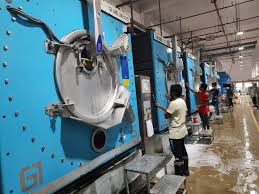
Beyond product types, this section might highlight specialized production processes. This could include capabilities like dyeing, printing, embroidery, or specialized washing techniques such as garment dyeing or stone washing. The presence of in-house facilities for these processes can reduce lead times and improve control over product aesthetics.
Production Capacity and Infrastructure
Production capacity is a crucial metric, indicating how much output a factory can generate. The Sterling Alliance Ltd Bangladesh apparel factory profile would likely state its daily, weekly, or monthly output capacity. This is often expressed in units or dozens.
This figure is vital for buyers to determine if the factory can meet their volume demands within their required timelines.
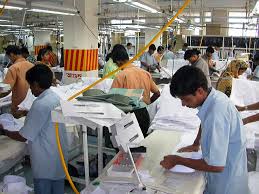
The profile would also describe the factory’s infrastructure. This includes the size of the production floor, the number of production lines, and the types of machinery used. Modern, well-maintained machinery is indicative of a factory’s ability to produce high-quality goods efficiently.
For example, having state-of-the-art cutting machines can ensure precision and reduce fabric waste.
Here’s what a breakdown of infrastructure might look like:
| Infrastructure Element | Description |
|---|---|
| Production Floor Space | Total square footage dedicated to manufacturing operations. |
| Number of Production Lines | Active lines for assembly and sewing. |
| Key Machinery | Types of sewing machines, cutting machines, finishing equipment. |
| Auxiliary Facilities | In-house washing, printing, or embroidery departments. |
A factory with a detailed infrastructure description shows it has invested in its operational capabilities. This suggests a higher potential for consistent quality and timely delivery.
Ethical Sourcing and Labor Practices
Ethical sourcing and labor practices are increasingly important considerations for apparel brands. The Sterling Alliance Ltd Bangladesh apparel factory profile should provide transparency in these areas. This involves information about wages, working hours, health and safety conditions, and the absence of child or forced labor.
Factories that are committed to ethical practices often display certifications from internationally recognized bodies. These might include SA8000, Fair Trade, or WRAP (Worldwide Responsible Accredited Production). These certifications mean the factory has been independently audited and meets stringent social compliance standards.
For instance, a factory profile might state:
- Average worker wage significantly above minimum wage.
- Strict adherence to a 40-hour work week with voluntary overtime.
- Regular safety training and provision of Personal Protective Equipment (PPE).
- No evidence of child labor or forced labor during multiple audits.
These points help build confidence in the factory’s commitment to worker well-being. Companies actively seek partners who uphold these values to protect their own brand reputation and to contribute positively to the communities where their products are made. The presence of such details in the Sterling Alliance Ltd Bangladesh apparel factory profile would signal a responsible manufacturing partner.
Certifications and Compliance
Certifications are verifiable proof of a factory’s adherence to specific standards. The Sterling Alliance Ltd Bangladesh apparel factory profile would ideally list all relevant certifications. These can cover a wide range of areas, from environmental management to quality assurance and social compliance.
Common certifications in the apparel industry include:
- ISO 9001 for quality management systems.
- ISO 14001 for environmental management systems.
- OEKO-TEX Standard 100 for textile safety.
- BSCI (Business Social Compliance Initiative) or SEDEX for ethical trade.
- WRAP (Worldwide Responsible Accredited Production) for ethical manufacturing.
Each certification represents a significant undertaking and ongoing commitment. For example, obtaining OEKO-TEX certification involves rigorous testing of raw materials, intermediate, and finished textile products at every stage of production. This ensures that the final product is safe for human health.
A factory with multiple, up-to-date certifications demonstrates a proactive approach to meeting global standards. This reduces the burden on buyers who would otherwise have to conduct extensive due diligence themselves. It signals a mature and responsible operational approach, making the Sterling Alliance Ltd Bangladesh apparel factory profile a more reliable document.
Supply Chain Transparency and Traceability
In today’s market, transparency and traceability within the supply chain are highly valued. A strong Sterling Alliance Ltd Bangladesh apparel factory profile should reflect an awareness of these demands. This means understanding and being able to communicate where raw materials come from, how they are processed, and the journey of the finished product to the distribution point.
Traceability helps in identifying potential risks, such as the origin of fabrics or dyes. It also aids in verifying claims about sustainable or ethical sourcing. For example, if a brand promotes the use of recycled polyester, the factory profile should provide evidence of its ability to source and process such materials traceable back to their origin.
Key aspects of supply chain transparency include:
- Detailed information on raw material sourcing.
- Documentation of processing and manufacturing stages.
- Record-keeping for subcontracted operations.
- Commitment to sharing supplier information when requested.
A factory that champions transparency often has systems in place to track each batch of production. This might involve unique identifiers or batch numbers linked to specific raw material lots and production runs. Such systems are invaluable for managing recalls or quality issues that may arise after a product has been distributed.
The Role of Sterling Alliance Ltd Bangladesh in the Apparel Sector
Sterling Alliance Ltd Bangladesh operates within one of the world’s largest apparel manufacturing hubs. Understanding its specific role requires looking at its position within this dynamic industry. The Bangladesh apparel sector is a critical global supplier, known for its cost-effectiveness and significant contribution to the country’s economy.
A factory profile for Sterling Alliance Ltd Bangladesh helps to contextualize its operations. It shows how the company fits into the broader landscape of garment manufacturing in Bangladesh. This includes its scale of operations, the types of clients it serves, and its competitive advantages.
Global Market Impact and Clientele
The global impact of apparel factories in Bangladesh is substantial. These factories supply garments to major retailers and brands worldwide. The Sterling Alliance Ltd Bangladesh apparel factory profile would likely indicate its international client base.
This could include well-known fashion brands, department stores, or specialized apparel companies.
The nature of its clientele can reveal a lot about the factory’s quality standards and capabilities. For instance, supplying to high-end fashion brands suggests a capacity for intricate designs, premium materials, and stringent quality control. Conversely, serving mass-market retailers implies a focus on large volumes and cost efficiency.
Consider the example of a factory that primarily produces children’s wear. The profile would detail its expertise in this area, possibly highlighting specific safety standards for children’s clothing and designs suited for young consumers. This specialization makes it a go-to option for brands in that niche.
The Sterling Alliance Ltd Bangladesh apparel factory profile would therefore illuminate its market segment and the types of partnerships it cultivates. This is essential for potential buyers looking for a factory with proven experience in their specific product category.
Contribution to Bangladesh’s Economy
The garment industry is a lifeline for Bangladesh’s economy, contributing a significant portion of its export earnings. Factories like Sterling Alliance Ltd Bangladesh play a direct role in this economic engine. Their operations create jobs, generate foreign currency, and stimulate ancillary businesses.
The profile can offer insights into the number of jobs the factory provides, the skill development opportunities for its workers, and its adherence to local labor laws. A factory that invests in worker training and provides fair employment conditions contributes to a more stable and skilled workforce, which benefits the entire sector.
For example, a factory profile might highlight its commitment to community development initiatives or its participation in government-backed skill enhancement programs. Such details underscore the factory’s broader positive impact beyond just manufacturing. This makes the Sterling Alliance Ltd Bangladesh apparel factory profile relevant not only for business dealings but also for understanding its socio-economic footprint.
Technological Adoption and Innovation
In the competitive apparel industry, technological adoption and innovation are key differentiators. The Sterling Alliance Ltd Bangladesh apparel factory profile could showcase its embrace of new technologies to improve efficiency, quality, and sustainability. This might include automated cutting systems, advanced sewing technologies, or digital printing solutions.
Innovation can also extend to process improvements, such as lean manufacturing techniques or the implementation of advanced planning and scheduling software. These technologies help optimize workflows, reduce waste, and ensure timely production.
A factory’s investment in technology can be seen in its machinery list. For instance, a profile might detail the use of:
- Computer-Aided Design (CAD) systems for pattern making.
- Automated fabric spreading and cutting machines for precision.
- High-speed, multi-needle sewing machines for intricate finishing.
- Digital printing machines for vibrant and complex designs.
Embracing these advancements not only boosts production but also enhances the quality and complexity of garments that can be produced. This positions factories like Sterling Alliance Ltd Bangladesh to handle more demanding orders and stay ahead of market trends.
Sustainability Initiatives
Sustainability is no longer a niche concern; it’s a core business imperative in the apparel industry. A forward-thinking Sterling Alliance Ltd Bangladesh apparel factory profile would detail its sustainability efforts. This can span various areas, including water and energy conservation, waste reduction, and the use of eco-friendly materials.
For example, a factory might have implemented solar panels to reduce its reliance on fossil fuels, installed water-saving fixtures, or developed robust recycling programs for fabric scraps and packaging materials. Certifications like ISO 14001 or specific eco-label accreditations would also be highlighted.
Sustainable practices can offer practical benefits. For instance, energy-efficient lighting and machinery can lead to significant cost savings over time. Reducing water consumption is crucial in regions where water resources are scarce.
Using recycled or organic materials appeals to environmentally conscious consumers and brands.
Here’s how sustainability might be presented:
- Water Conservation Efforts: Mention of water-efficient machinery and wastewater treatment plants.
- Energy Efficiency Programs: Use of LED lighting, solar energy, and energy-efficient equipment.
- Waste Management and Recycling: Programs for textile waste, plastic, and paper recycling.
- Sustainable Material Sourcing: Commitment to using recycled, organic, or BCI-certified cotton.
These initiatives are not just about environmental responsibility; they can also enhance a factory’s competitive edge by meeting the growing demand for sustainable fashion.
Common Myths Debunked
Myth 1: A Factory Profile Is Just a Sales Brochure
This is not true. While a profile is designed to present the factory positively, it should be based on factual data and operational realities. Reputable factory profiles include details on certifications, audit reports, and production capabilities that can be verified.
A sales brochure might exaggerate capabilities, whereas a profile aims to provide a transparent overview for potential business partners.
Myth 2: All Factories in Bangladesh Have Poor Working Conditions
This is a harmful overgeneralization. While challenges have existed in the past, many factories in Bangladesh have significantly improved their working conditions and safety standards, especially after the Rana Plaza collapse. Leading factories, including those with strong Sterling Alliance Ltd Bangladesh apparel factory profile data, are compliant with international labor laws and often hold multiple social compliance certifications.
Continuous monitoring and audits have led to substantial progress.
Myth 3: Factory Profiles Only Matter to Big Brands
Factory profiles are valuable for businesses of all sizes. Small to medium-sized enterprises (SMEs) and startups also need reliable suppliers. A well-documented profile helps them make informed decisions, ensuring they partner with factories that can meet their quality, ethical, and volume requirements without overextending their resources.
It provides a level of assurance that is crucial for any business.
Myth 4: Certifications Guarantee Perfect Production Always
Certifications are strong indicators of a factory’s commitment to standards but do not guarantee flawless production every single time. They represent a system of compliance and continuous improvement. Issues can still arise in any manufacturing process.
However, certified factories usually have robust internal processes and corrective action plans in place to address problems quickly and effectively, making them more reliable partners.
Frequently Asked Questions
Question: What is the primary purpose of a Sterling Alliance Ltd Bangladesh apparel factory profile?
Answer: The primary purpose is to provide detailed information about the factory’s operations, capabilities, ethical standards, and certifications to potential clients and partners.
Question: Does a factory profile include financial information?
Answer: Typically, factory profiles do not include detailed financial statements. They focus more on operational, technical, and compliance aspects.
Question: How can I verify the information in a factory profile?
Answer: You can verify information by looking for third-party certifications, requesting audit reports, and potentially conducting your own site visit or third-party audit.
Question: Is it common for factories to specialize in certain types of apparel?
Answer: Yes, it is very common. Factories often specialize in specific garment types like knits, wovens, activewear, or denim to optimize their machinery and expertise.
Question: What does it mean if a factory has WRAP certification?
Answer: WRAP certification means the factory has been audited and found to be in compliance with international standards for lawful, humane, and ethical manufacturing.
Conclusion
Exploring the Sterling Alliance Ltd Bangladesh apparel factory profile reveals a company operating within a critical global industry. Understanding its capabilities, ethical practices, and certifications is key to making informed business decisions. This detailed look helps ensure you partner with manufacturers who align with your standards for quality and responsibility.