Ananta Group Bangladesh Garments Export Data

Finding information about the Ananta Group Bangladesh garments factory export details can feel a bit tricky when you’re just starting out. Lots of places talk about it, but putting it all together in a simple way is hard. Don’t worry, though!
We’ll break it down step-by-step so it’s easy to follow. Get ready to learn all about how this important part of the garment industry works.
Key Takeaways
- You will learn what Ananta Group is and its role in Bangladesh’s garment sector.
- Discover the types of garments Ananta Group exports and their global markets.
- Understand the process of garment export from Bangladesh.
- Find out about quality control and compliance measures in garment factories like Ananta Group.
- Learn about the economic impact of garment exports on Bangladesh.
- Gain insight into the challenges and future outlook for Ananta Group and the industry.
Ananta Group Overview And Its Role
Ananta Group is a big name in Bangladesh’s ready-made garment (RMG) industry. They are known for producing a wide variety of clothing for many international brands and retailers. This company plays a significant role in Bangladesh’s economy.
Its operations create many jobs and contribute greatly to the country’s export earnings. Understanding Ananta Group helps us see how Bangladesh became a global leader in garment manufacturing.
The success of companies like Ananta Group shows the strength and capability of the Bangladeshi textile sector. They are able to produce high volumes of quality apparel at competitive prices. This has made them a preferred sourcing destination for many fashion companies worldwide.
Company History And Growth
Ananta Group started its journey some time ago, growing steadily over the years. From humble beginnings, it has expanded its facilities and production capacity. This growth is a direct result of strategic investments, strong management, and a focus on customer satisfaction.
The company’s expansion includes setting up new factories, adopting advanced technology, and training its workforce. This continuous development allows Ananta Group to meet the increasing demands of the global market and stay competitive.
Product Portfolio
Ananta Group manufactures a diverse range of garments. This includes casual wear, activewear, workwear, and fashion apparel. They produce items like t-shirts, polo shirts, jeans, trousers, jackets, and knitwear.
Their ability to handle different fabric types and production techniques makes them a versatile supplier. This wide product range allows them to cater to different customer needs and market trends.
Global Reach And Key Markets
The garments produced by Ananta Group are exported to various countries across the globe. Their main buyers are in North America and Europe. Major fashion brands and retailers in these regions rely on Ananta Group for their supply needs.
The company works closely with its international clients to ensure their products meet specific market requirements. This includes design, sizing, and quality standards. Their consistent delivery of quality products has helped them build long-term relationships with many global brands.
Understanding Garment Export From Bangladesh
Exporting garments from Bangladesh involves a structured process. This process ensures that products meet international standards and reach their destinations efficiently. For a company like Ananta Group, mastering this process is key to its success in the global market.
The journey from a factory floor to a customer’s closet involves many steps. These steps include sourcing raw materials, manufacturing, quality checks, packaging, shipping, and customs clearance. Each stage requires careful planning and execution.
Sourcing Raw Materials
The first step in garment production is sourcing raw materials. For Ananta Group, this often means sourcing fabrics, threads, buttons, zippers, and other accessories. Bangladesh has a strong local textile industry, so much of this can be sourced domestically.
However, for specialized fabrics or unique accessories, Ananta Group might also import materials from other countries. This ensures they can offer a wide variety of styles and meet specific client demands. Reliable sourcing partners are vital to maintaining production schedules and product quality.
Manufacturing Process
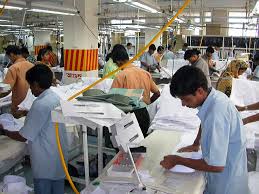
Once materials are ready, the manufacturing process begins. This includes cutting the fabric according to patterns, sewing the pieces together, and adding finishing touches like printing or embroidery. Modern machinery and skilled labor are essential here.
Ananta Group uses advanced sewing machines and automated systems to ensure efficiency and precision. The company also invests in training its workers to handle different types of garments and techniques. This leads to better quality and faster production times.
Quality Control And Assurance
Quality control is a critical part of garment manufacturing. Ananta Group implements strict quality checks at every stage of production. This starts from inspecting incoming raw materials to checking the final finished garments.
Checks include verifying fabric quality, ensuring correct measurements, inspecting stitching, and looking for any defects. They often have dedicated quality control teams who are trained to spot even minor issues. This commitment to quality ensures that the final products meet the high standards expected by international buyers.
A typical quality control process might involve the following steps:
- Fabric Inspection: Before cutting, fabric is checked for flaws, color consistency, and proper weight.
- In-line Inspection: During sewing, supervisors and quality inspectors check random pieces at different stages of assembly.
- Finished Goods Inspection: Before packing, a significant percentage of finished garments are thoroughly inspected for all quality parameters.
- AQL Standards: Many factories follow Acceptable Quality Limit (AQL) standards set by international buyers. This means a certain number of defects are allowed within a batch, but only up to a specified limit.
Packaging And Labeling
After passing quality checks, garments are carefully folded, ironed, and packed. Packaging must protect the garments during transit and present them attractively. Labels with brand information, size, and care instructions are attached.
Ananta Group ensures that all labeling and packaging meet the specific requirements of their clients and the destination countries. This can include specific hang tags, polybags, and carton marking. Proper packaging prevents damage and makes it easier for retailers to handle the goods.
Logistics And Shipping
Once packed, garments are ready for shipment. This involves moving the goods from the factory to the port and then shipping them overseas. Logistics management is crucial for timely delivery.
Bangladesh’s garment exports primarily use sea freight due to cost-effectiveness for large volumes. Air freight is used for urgent orders. Ananta Group works with shipping companies and freight forwarders to manage the movement of its products efficiently.
Customs Clearance And Documentation
Before goods can enter another country, they must go through customs. This requires proper documentation. This includes export declarations, invoices, packing lists, and certificates of origin.
Ananta Group handles all necessary paperwork to ensure smooth customs clearance in the importing countries. Compliance with international trade regulations and customs procedures is vital to avoid delays and penalties.
Ananta Group Bangladesh Garments Factory Export Details And Compliance
For Ananta Group, adherence to international standards and ethical practices is as important as the quality of their products. Compliance ensures they are seen as a responsible and trustworthy supplier. This is crucial for maintaining relationships with global brands who have strict requirements.
The garment industry faces scrutiny regarding working conditions, environmental impact, and labor rights. Ananta Group invests in ensuring its operations meet or exceed these expectations.
Worker Safety And Welfare
Worker safety is a top priority in garment factories. Ananta Group ensures its facilities are safe for employees. This includes fire safety measures, structural integrity of buildings, and proper ventilation.
They also focus on worker welfare, providing fair wages, reasonable working hours, and access to basic amenities. Regular safety audits are conducted by both internal teams and external third parties.
Environmental Sustainability
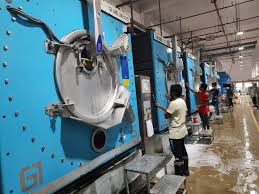
The fashion industry has a significant environmental footprint. Ananta Group is increasingly focused on sustainability. This involves reducing waste, conserving water and energy, and managing chemical usage.
Initiatives may include using eco-friendly dyes, recycling water in production processes, and investing in renewable energy sources for their factories. Many international brands now require their suppliers to demonstrate strong environmental performance.
Certifications And Audits
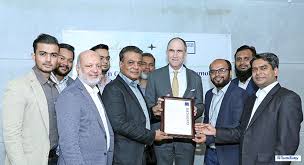
Ananta Group holds various certifications that attest to its compliance with international standards. These certifications are often required by buyers and demonstrate commitment to social, ethical, and environmental responsibility.
Common certifications include:
- BSCI (Business Social Compliance Initiative): Focuses on improving social compliance in supply chains.
- SEDEX (Supplier Ethical Data Exchange): A platform for sharing ethical supply chain information.
- WRAP (Worldwide Responsible Accredited Production): Certifies lawful humane and ethical manufacturing.
- OEKO-TEX: Ensures textiles are free from harmful substances.
These certifications are typically obtained after rigorous audits by independent bodies. Buyers also conduct their own audits to verify compliance.
Traceability And Transparency
With increasing consumer awareness, the demand for transparency in supply chains is growing. Ananta Group works towards making its production processes traceable. This allows brands to know exactly where and how their garments are made.
Traceability helps in quickly identifying and addressing any issues that may arise. It builds trust with consumers and stakeholders.
Economic Impact Of Garment Exports
The garment export sector is a cornerstone of Bangladesh’s economy. Companies like Ananta Group contribute significantly to the country’s Gross Domestic Product (GDP) and foreign exchange earnings. The industry also provides employment to millions of people, especially women.
The flow of foreign currency from these exports helps Bangladesh manage its balance of payments and fund development projects. The sector’s growth has a ripple effect, boosting related industries like logistics, finance, and services.
Contribution To GDP
Garments account for a very large percentage of Bangladesh’s total export earnings. This makes the sector one of the primary drivers of national economic growth.
According to reports, the RMG sector contributes over 80% of Bangladesh’s export revenue. This highlights its immense importance. For example, in a typical year, garment exports can be worth billions of dollars, directly impacting the national economic output.
Employment Generation
The Ananta Group Bangladesh garments factory export details are closely tied to job creation. The industry is a major employer, offering livelihoods to millions of people. The majority of these workers are women, which has also led to greater female empowerment in the country.
A single large factory like those operated by Ananta Group can employ thousands of workers. This includes skilled operators, supervisors, quality controllers, and administrative staff. The employment opportunities extend beyond direct factory jobs to support services.
Foreign Exchange Earnings
When Ananta Group exports its garments, it brings foreign currency into Bangladesh. This foreign exchange is vital for importing essential goods and services, paying off international debts, and stabilizing the national currency.
The consistent inflow of foreign exchange from garment exports has helped Bangladesh achieve significant economic progress over the past few decades.
Challenges And Future Outlook
Despite its success, the garment export industry, including companies like Ananta Group, faces ongoing challenges. These include global economic shifts, competition, rising costs, and increasing demands for sustainability.
However, the industry also has significant opportunities for growth and innovation. Ananta Group is positioning itself to face these challenges and capitalize on future trends.
Global Economic Fluctuations
Changes in global demand, trade policies, and economic recessions in importing countries can affect export volumes. Ananta Group must be adaptable to these shifts.
For instance, if a major buyer experiences a downturn, their orders may decrease. This requires factories to manage their production capacity flexibly.
Competition From Other Countries
Bangladesh faces competition from other garment-producing nations. These competitors may offer lower labor costs or faster production times. Maintaining a competitive edge requires continuous improvement in efficiency, quality, and innovation.
Ananta Group aims to differentiate itself through better quality, reliability, and ethical practices rather than just price.
Technological Advancement And Innovation
The garment industry is seeing rapid technological changes. Automation, 3D design, and smart manufacturing offer opportunities to improve efficiency and create new products. Ananta Group is exploring these technologies.
Investing in new machinery and digital tools can help them produce more complex designs faster and with less waste.
Shift Towards Sustainable Fashion
There is a growing consumer demand for sustainable and ethically produced clothing. Ananta Group is responding by increasing its focus on eco-friendly materials and ethical production. This trend presents a significant opportunity for growth.
Brands are increasingly looking for suppliers who can meet these demands. Companies that lead in sustainability will likely gain market share.
Diversification And Value Addition
To reduce reliance on basic garments, Ananta Group and the wider industry are looking to diversify their product offerings. This includes moving into higher-value items, technical textiles, and more complex fashion garments.
Value addition means doing more than just assembling fabric; it involves design, branding, and creating unique products. This can lead to higher profit margins and a stronger market position.
Common Myths Debunked
Myth 1: Ananta Group Only Produces Basic T-shirts.
Reality: While Ananta Group does produce t-shirts, their product range is much broader. They manufacture a wide variety of garments including jeans, trousers, jackets, activewear, and fashion items. This diversification caters to many international brands with different product needs.
Myth 2: Garment Factories in Bangladesh Have Poor Working Conditions.
Reality: While challenges existed in the past, many factories, including those of Ananta Group, have significantly improved working conditions. They adhere to international safety, labor, and welfare standards, often verified by third-party audits and certifications like BSCI and WRAP.
Myth 3: Garment Exports Are Solely Driven by Low Labor Costs.
Reality: While competitive labor costs are a factor, the success of Ananta Group and Bangladesh’s garment sector also relies on skilled labor, efficiency, large-scale production capacity, and improving quality standards. Global brands choose Bangladesh for its reliability and ability to meet large orders.
Myth 4: Sustainability in Garment Manufacturing is Too Expensive for Companies like Ananta Group.
Reality: While initial investments may be higher, sustainable practices often lead to long-term cost savings through resource efficiency. Furthermore, with increasing buyer and consumer demand for eco-friendly products, sustainability is becoming a market necessity and a competitive advantage, not just an added cost.
Frequently Asked Questions
Question: What types of garments does Ananta Group typically export?
Answer: Ananta Group exports a wide variety of garments including t-shirts, polo shirts, jeans, trousers, jackets, knitwear, and activewear for men, women, and children.
Question: Which countries are the main export markets for Ananta Group?
Answer: The primary export markets for Ananta Group are in North America and Europe, serving major international fashion brands and retailers.
Question: What measures does Ananta Group take to ensure product quality?
Answer: Ananta Group implements rigorous quality control at every stage, from raw material inspection to final product checks, often adhering to international AQL standards.
Question: Does Ananta Group have any certifications related to ethical production?
Answer: Yes, Ananta Group typically holds certifications like BSCI, SEDEX, WRAP, and OEKO-TEX, demonstrating their commitment to ethical and safe manufacturing practices.
Question: How does Ananta Group contribute to Bangladesh’s economy?
Answer: Ananta Group significantly contributes to Bangladesh’s economy through substantial export earnings, foreign exchange generation, and by providing employment to a large number of workers.
Summary
Exploring the Ananta Group Bangladesh garments factory export details reveals a sector vital to the nation’s economy. From sourcing materials to global shipping, Ananta Group navigates a complex but well-established process. Their commitment to quality, compliance, and increasing sustainability positions them as a key player.
This focus ensures continued success and contribution to Bangladesh’s standing as a global garment leader.