Four H Group Bangladesh Supplier Details

Finding the right information about the Four H Group Bangladesh garments supplier details can sometimes feel like a puzzle, especially if you’re new to sourcing garments. Many beginners get stuck trying to figure out where to start or what to look for. It’s common to feel a bit overwhelmed.
But don’t worry, this guide will make it super simple. We’ll walk through everything step-by-step, so you can easily find the details you need. Get ready to learn how to find exactly what you’re looking for.
Key Takeaways
- You will learn where to find official information about Four H Group.
- Discover how to verify the credentials of Four H Group as a supplier.
- Understand the types of garment products Four H Group offers.
- Learn about their manufacturing capabilities and quality control.
- Find out how to contact Four H Group for business inquiries.
- Gain insight into their business practices and certifications.
Understanding Four H Group Bangladesh Garments
Four H Group Bangladesh Garments Supplier Details Explained
When you look for details about the Four H Group Bangladesh garments supplier details, you’re usually trying to find reliable information about their company, what they make, and how to work with them. For people new to buying clothes from overseas, this can be tricky. There’s a lot of information out there, and it’s not always easy to know what’s true or important.
This section will help you sort through it all. We will explain what kind of information you should be looking for and why it matters. It’s about getting a clear picture of who they are as a supplier.
What is Four H Group?
Four H Group is a company based in Bangladesh that makes clothes. They are a supplier, meaning they create garments for other businesses to sell. Think of them as a factory that produces clothing items for brands or retailers.
They handle the manufacturing process from start to finish. This can include designing, cutting the fabric, sewing, and finishing the garments. Their main goal is to produce high-quality clothing efficiently.
The garment industry in Bangladesh is very large. Many international brands work with companies there because they can produce clothes at competitive prices. Four H Group is one of many such companies.
Knowing what they offer helps you decide if they are a good fit for your needs. It’s like choosing a partner for your business.
Why Supplier Details Are Important
Knowing the supplier details for Four H Group is vital for several reasons. First, it helps you ensure you are working with a legitimate and reputable company. You want to avoid scams or unreliable suppliers.
Second, understanding their product range means you can see if they make the types of clothes you want to buy. Are they good at making t-shirts, jeans, or formal wear?
Third, their manufacturing capabilities tell you if they can handle your order size and meet your quality standards. A big order needs a factory that can produce a lot of clothes quickly and well. Lastly, finding their contact information allows you to start a conversation.
You can ask questions, get quotes, and build a business relationship. All these details build trust and make the buying process smoother.
Where to Find Official Information
The best place to start finding information about Four H Group is often their official website. Companies usually have a website to showcase their products and services. Look for sections like “About Us,” “Products,” “Contact,” or “Factory.” These pages often contain valuable details.
You might find information about their history, their mission, and the types of clothing they produce.
Another reliable source can be business directories or trade platforms. Websites that list garment manufacturers in Bangladesh can be very helpful. These sites sometimes have verified company profiles and contact details.
You can also check for news articles or press releases about the company. These can offer insights into their growth and operations. Always try to cross-reference information from different sources to get the most accurate picture.
Exploring Four H Group’s Product Range
What Garments Does Four H Group Bangladesh Produce
When you are looking into the Four H Group Bangladesh garments supplier details, one of the most important things to understand is what kind of clothes they actually make. This tells you if they can supply what you need for your business. Are they experts in casual wear, activewear, or perhaps formal clothing?
Knowing their specialty helps you match your requirements with their capabilities. This section breaks down the common types of garments that companies like Four H Group typically produce and what to look for in their product offerings.
Types of Apparel Produced
Four H Group, like many garment manufacturers in Bangladesh, likely produces a wide array of apparel. Common categories include knitwear and woven garments. Knitwear involves clothing made from knitted fabric, which is stretchy and comfortable.
This often includes t-shirts, polo shirts, sweatshirts, hoodies, and tank tops. These are popular for everyday wear and active lifestyles.
Woven garments are made from fabric woven on a loom. This type of fabric is typically less stretchy but offers more structure. Examples of woven items include shirts, blouses, trousers, jeans, shorts, skirts, and jackets.
Some factories specialize in certain types of fabric, like denim for jeans or lightweight cotton for shirts. It’s good to know if a supplier excels in the specific fabric or style you are interested in.
Focus on Specific Product Categories
Some garment suppliers focus heavily on particular product lines. For instance, a company might be known for its excellent production of children’s clothing. Another might specialize in high-quality activewear for sports.
Or they could be specialists in men’s formal shirts. Identifying Four H Group’s specific strengths helps you understand if they are the best fit for your unique product needs.
If you are looking for a supplier for basic t-shirts, you’d want to know if they can produce large quantities with consistent quality and competitive pricing. If you need complex outerwear with many features, you’d look for a supplier with experience in that area. Their product pages or catalogs on their website should give you a good idea of their focus.
Fabric and Material Sourcing
The type of fabric used is a key part of any garment. A supplier like Four H Group will source various fabrics based on client needs and fashion trends. Common materials include cotton, polyester, blends of cotton and polyester, viscose, and sometimes more specialized fabrics like linen or spandex.
Cotton is popular for its breathability and softness, while polyester offers durability and wrinkle resistance.
Understanding their fabric sourcing capabilities is important. Can they obtain specific types of eco-friendly fabrics if that’s your requirement? Do they have relationships with reliable fabric mills?
This information impacts the quality, cost, and sustainability of the final product. A good supplier will be transparent about their fabric sources and quality standards.
Customization and Design Services
Many garment suppliers offer customization services. This means they can work with your specific designs, patterns, and specifications. They might also offer design support, helping you refine your ideas or develop new designs.
If you have a unique product in mind, it’s essential to know if the supplier has the technical expertise and equipment to bring it to life.
This can include custom printing, embroidery, unique stitching, or special finishing techniques. When reviewing supplier details, look for mentions of their design team or their ability to handle custom orders. This is a sign of flexibility and a willingness to meet diverse client needs.
Manufacturing Capabilities and Quality Assurance
How Four H Group Bangladesh Manufactures Garments
When investigating Four H Group Bangladesh garments supplier details, their manufacturing capabilities and how they ensure quality are paramount. This is where the actual making of your clothes happens, and getting it right is key to customer satisfaction. A supplier’s ability to produce efficiently and maintain high standards directly impacts your brand’s reputation.
This section delves into what makes a garment factory tick and what quality checks are put in place.
Factory Infrastructure and Technology
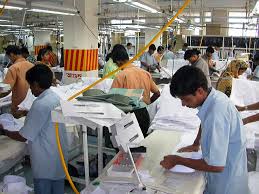
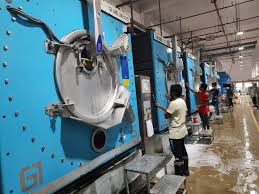
A modern garment factory like Four H Group will have advanced machinery and a well-organized production floor. This includes automated cutting machines for precise fabric cutting, industrial sewing machines for different types of stitches, and finishing equipment like pressing machines and steam irons. The size and efficiency of their facility speak volumes about their capacity to handle large orders.
The technology they employ also affects the quality and consistency of the garments. For example, advanced sewing machines can handle intricate designs and delicate fabrics more effectively. A well-maintained infrastructure ensures smooth operations and minimizes production delays.
Looking at photos or virtual tours of their facility, if available, can provide visual clues about their setup.
Production Capacity and Lead Times
Production capacity refers to the maximum number of garments a factory can produce within a specific period. This is crucial when planning your inventory and launch dates. Lead time is the total time it takes from placing an order to receiving the finished products.
This includes production time, quality control, packaging, and shipping.
A reliable supplier will provide realistic lead times based on their current workload and production efficiency. For instance, a typical lead time for a large order of t-shirts might be 60-90 days. It’s important to discuss these timelines early on to manage expectations and avoid last-minute issues.
Understanding their capacity helps you determine if they can scale with your business.
Quality Control Processes
Quality control (QC) is a critical part of garment manufacturing. It involves checks at various stages of production to ensure that garments meet the required standards. This can include inspecting raw materials, checking fabric quality, monitoring sewing accuracy, and conducting final product inspections.
Reputable suppliers have dedicated QC teams.
A comprehensive QC process typically involves:
- Fabric Inspection: Checking for defects like holes, stains, or color inconsistencies in the fabric before cutting.
- In-line Inspection: Examining garments as they are being sewn to catch errors early. This can include checking stitch quality, measurements, and seam integrity.
- Final Inspection: A thorough check of finished garments before they are packed. This involves verifying size, color, appearance, and checking for any damage.
- AQL Standards: Many factories follow Acceptable Quality Limit (AQL) standards, which are international guidelines for product quality.
For example, if a batch of shirts is found to have inconsistent sizing during in-line inspection, the factory can adjust their process immediately. If a defect is only found during the final inspection, it might be too late to fix without impacting the deadline. A strong QC system prevents defective products from reaching the customer, saving you from returns and complaints.
Certifications and Compliance
Many international buyers require their suppliers to have certain certifications. These demonstrate a commitment to ethical practices, safety, and quality. Common certifications include:
- BSCI (Business Social Compliance Initiative): Focuses on social aspects, including fair wages, working hours, and safe working conditions.
- SEDEX (Supplier Ethical Data Exchange): A membership organization that helps businesses manage their ethical supply chains.
- WRAP (Worldwide Responsible Accredited Production): Certifies lawful, humane, and ethical manufacturing processes.
- OEKO-TEX: Confirms that textiles are tested for harmful substances.
- ISO 9001: A standard for quality management systems.
When reviewing Four H Group Bangladesh garments supplier details, look for these certifications. They indicate that the company adheres to international standards for responsible manufacturing. For instance, having OEKO-TEX certification means the fabrics used are safe for human health.
This is increasingly important for consumers who are concerned about chemical exposure from their clothing.
Real-Life Example: Sourcing T-Shirts
Imagine you are a startup wanting to source 5,000 plain cotton t-shirts. You find Four H Group and inquire about their capabilities. They confirm they specialize in knitwear and can produce t-shirts efficiently.
They provide you with fabric swatches and a price list based on material weight and quantity. Their lead time for this order is estimated at 70 days.
They share their QC reports, showing they conduct in-line checks for stitching and final checks for defects. They also confirm they use OEKO-TEX certified cotton. This information reassures you that they can meet your quality expectations and safety standards.
You proceed with a small trial order to test their services further. The timely delivery and good quality of the trial batch give you confidence to place the larger order.
Contacting and Doing Business with Four H Group
How to Initiate Contact with Four H Group
When you have gathered enough preliminary information about the Four H Group Bangladesh garments supplier details, the next practical step is to make contact. This is how you begin a potential business relationship. It’s not just about finding an email address; it’s about making that first professional impression.
This section covers the best ways to reach out and what to expect.
Finding Contact Information
The most straightforward way to find Four H Group’s contact details is through their official website. Look for a “Contact Us” page. This will typically list an email address for inquiries, a phone number, and sometimes a physical address.
If you are using a business directory or trade platform, their profile will also usually include contact information.
When searching online, use specific terms like “Four H Group Bangladesh contact” or “Four H Group garments inquiry.” Be cautious of third-party websites that might list outdated or incorrect contact details. Always try to verify the information on the company’s own platform if possible. A clear and official contact point is the first sign of a transparent business.
What to Include in Your First Inquiry
Your initial email or message should be clear, concise, and professional. Start with a polite greeting. Clearly state who you are and the name of your company.
Then, briefly explain your interest in their products or services. Be specific about what you are looking for.
For example, you could say: “We are interested in sourcing 10,000 units of men’s cotton polo shirts. Could you please provide information on your minimum order quantities (MOQs), pricing, and lead times for this type of product?” Including essential details upfront helps them respond more efficiently and accurately.
It’s also helpful to mention your target market or any specific quality requirements you have. If you have a sample or design sketch, you can ask how to share that information. A well-structured inquiry shows you are serious and prepared.
Negotiating Terms and Contracts
Once you start discussing an order, you will need to negotiate terms. This includes pricing, payment schedules, delivery terms (like FOB or CIF), and quality standards. Payment terms can vary, but common options include a deposit upfront and the balance before shipping, or payment upon receipt of goods for established relationships.
A formal contract is highly recommended for significant orders. This document should outline all agreed-upon terms, product specifications, delivery schedules, and dispute resolution mechanisms. Both parties should review the contract carefully, ideally with legal advice if the order value is substantial.
A clear contract protects both your interests and the supplier’s.
Building a Long-Term Relationship
Sourcing from overseas is often about building strong, long-term relationships. This means maintaining open communication, providing clear feedback, and honoring your commitments. For example, paying invoices on time builds trust and can lead to better terms in the future.
Providing constructive feedback on quality helps the supplier improve their processes, benefiting both parties.
Regular communication, even when there isn’t an active order, can help maintain the connection. Sharing market trends or upcoming plans can help the supplier prepare. A strong partnership allows for greater flexibility, better problem-solving, and can ultimately lead to cost savings and improved product development.
Sample Scenario: Inquiring About Custom Jackets
Let’s say you need a batch of custom-designed bomber jackets. Your inquiry to Four H Group might look like this:
- Subject: Inquiry – Custom Bomber Jackets for
- Body: Dear Four H Group Team, My name is and I represent . We are looking to produce approximately 2,000 custom bomber jackets. Our design includes specific embroidery details and a unique lining fabric. We are interested in understanding your MOQs for custom orders, your capabilities for handling embroidery, and your estimated production time and pricing for a quantity of 2,000 units. We would also like to know your standard payment terms. Please let us know if you require a design sketch or technical pack to provide a quote. Thank you for your time.
Based on this inquiry, Four H Group would respond with their specific capabilities, pricing, and a request for your design details. This direct approach ensures you get the information needed to move forward.
Common Myths Debunked
Myth 1: All garment suppliers in Bangladesh are the same.
This is not true. Just like any industry, there is a wide range of suppliers in Bangladesh, from small workshops to large, established factories. They differ in their specialization, production capacity, quality standards, technological advancement, ethical practices, and pricing.
Some might be excellent for basic t-shirts, while others are better suited for intricate outerwear. It is essential to research and vet each supplier individually.
Myth 2: You always need to visit the factory to ensure quality.
While visiting a factory can provide valuable insights, it’s not always a mandatory step, especially for smaller businesses or those with budget constraints. Many reputable suppliers have robust quality control systems in place, share detailed inspection reports, and can provide certifications. Utilizing third-party inspection services is also an option.
Clear communication, detailed specifications, and strong contractual agreements can help ensure quality even without a physical visit.
Myth 3: Bangladesh suppliers only offer low prices, compromising quality.
Bangladesh is known for competitive pricing due to its labor costs and established industry. However, this does not automatically mean poor quality. Many factories invest heavily in technology, skilled labor, and quality control to meet international standards.
The final quality depends on the supplier’s commitment, the materials used, and the client’s specifications. A well-managed supplier can offer both competitive pricing and high-quality products.
Myth 4: Communicating with suppliers in Bangladesh is difficult due to language barriers.
While Bengali is the official language, English is widely spoken in the business and export sectors in Bangladesh, especially in the garment industry. Most factory owners, sales managers, and key personnel involved in international trade are proficient in English. Many also have multilingual staff to facilitate communication.
Clear and precise communication in English is generally effective.
Frequently Asked Questions
Question: How can I verify if Four H Group is a legitimate supplier?
Answer: You can verify legitimacy by checking their official website for company registration details, looking for them on reputable trade platforms, asking for business licenses or certificates, and reading client testimonials if available. Contacting them directly and observing their communication professionalism also helps.
Question: What is a Minimum Order Quantity (MOQ) and how does it apply to Four H Group?
Answer: MOQ is the smallest quantity of a product that a supplier is willing to sell. For Four H Group, MOQs will vary depending on the product. Simpler items like basic t-shirts might have higher MOQs than more complex garments.
You will need to inquire directly about the MOQs for the specific items you are interested in.
Question: Can Four H Group handle orders for sustainable or eco-friendly clothing?
Answer: Many garment suppliers in Bangladesh are increasingly focusing on sustainability. You would need to inquire directly with Four H Group about their capabilities in sourcing eco-friendly materials (like organic cotton, recycled polyester), their waste reduction practices, and any relevant certifications they might hold (e.g., GOTS for organic textiles).
Question: What payment methods does Four H Group typically accept?
Answer: Common payment methods for international trade with Bangladeshi suppliers include bank transfers (wire transfers), letters of credit (LC), and sometimes PayPal or other online payment systems for smaller initial payments or samples. Exact methods will depend on their policies and the size of the order.
Question: How can I ensure the quality of my garments when ordering from Four H Group?
Answer: To ensure quality, provide very clear and detailed product specifications, ask for fabric samples and pre-production samples for approval, inquire about their quality control procedures and certifications, and consider hiring an independent third-party inspection service to check the goods before shipment.
Conclusion
Finding the right Four H Group Bangladesh garments supplier details is about clear research and direct communication. You now know how to locate essential information about their products, manufacturing, and business practices. Focus on verifying their credentials and understanding their capabilities to ensure a smooth sourcing experience.
Start your inquiries with specific details to get accurate responses. This approach helps you build a strong foundation for successful garment sourcing.