Noman Group Bangladesh Export Data Explained

Finding information about Noman Group Bangladesh textile manufacturer export data can seem tricky, especially when you’re just starting. It’s like looking for a specific thread in a big pile of fabric! But don’t worry, it’s simpler than it looks.
We’ll break it down step by step so you can easily find what you need. Let’s get started on making this clear and easy for you.
Key Takeaways
- You will learn what Noman Group Bangladesh is and why its export data matters.
- We will explore how to find reliable export data for this company.
- You will discover the types of products Noman Group Bangladesh exports.
- We will discuss the key markets where Noman Group Bangladesh sells its products.
- You will gain insights into the trends affecting textile exports from Bangladesh.
Understanding Noman Group Bangladesh Textile Manufacturing
Noman Group is a major player in Bangladesh’s booming textile industry. They are known for making a wide range of textile products that get sent all over the world. Because they are such a big company, their export activities tell us a lot about the health of Bangladesh’s textile sector and global trade patterns.
For anyone interested in business, economics, or the fashion supply chain, looking at Noman Group’s export data provides valuable information. This section helps set the stage by explaining who Noman Group is and why their global sales are important to track.
Who is Noman Group
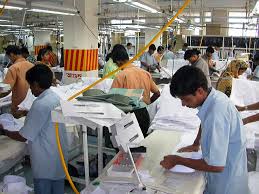
Noman Group is a large and well-established textile and garment manufacturing company based in Bangladesh. They have been in business for many years and have grown into one of the country’s leading exporters. The company operates multiple factories and employs thousands of people.
Their focus is on producing high-quality fabrics and ready-made garments. This includes items like denim, knitwear, and woven shirts. Noman Group works with many international brands, supplying them with clothing and textiles for their stores worldwide.
The scale of Noman Group’s operations means they contribute significantly to Bangladesh’s economy. They help create jobs and earn foreign currency through their exports. Understanding their business helps us understand a key part of Bangladesh’s industrial strength.
The Importance of Textile Exports for Bangladesh
The textile and garment industry is the backbone of Bangladesh’s economy. It is the country’s largest export earner, bringing in billions of dollars each year. This sector provides jobs for millions of people, particularly women, and plays a vital role in poverty reduction.
When we talk about textile exports, we are talking about Bangladesh’s main source of foreign exchange. This money is used to pay for imports, develop infrastructure, and support other industries. Therefore, the performance of companies like Noman Group directly impacts the nation’s economic well-being.
Global demand for clothing and textiles influences how much Bangladesh can export. Factors like fashion trends, trade agreements, and the prices of raw materials all play a part. Tracking export data helps us see how these global forces affect the country.
Finding Noman Group Bangladesh Textile Manufacturer Export Data
Getting hold of specific export data for a company like Noman Group can sometimes feel like a treasure hunt. There isn’t always one single, easy-to-access place for everything. However, by knowing where to look and what to ask for, you can gather useful information.
This section guides you through the different sources and methods available to uncover details about what Noman Group exports, where it goes, and how much of it there is.
Official Trade Portals and Databases
Many countries have official government bodies that collect and publish trade statistics. These are often the most reliable sources for export data. For Bangladesh, the Export Promotion Bureau (EPB) is a key agency.
They often provide reports and statistics on national export performance, which can sometimes be broken down by sector or major exporting companies.
International organizations like the World Trade Organization (WTO) and the United Nations Comtrade Database also compile global trade data. While these might not always list individual company data directly, they provide aggregate figures for country exports by product category. This can help contextualize Noman Group’s potential export volumes.
Accessing these databases might require some searching. You may need to look for specific reports or use their search functionalities. Sometimes, detailed company-level data is not publicly available due to commercial privacy.
However, industry-level data can still offer significant insights.
Industry Reports and Market Research
Private companies and industry associations often conduct market research and publish reports on specific sectors. These reports can provide valuable information about leading companies, market share, and export trends. For the textile industry in Bangladesh, various research firms and trade bodies produce analyses.
These reports might be available for purchase or through subscriptions. They often include detailed profiles of major players like Noman Group, discussing their production capacities, export destinations, and sales figures. The insights here can be very specific and helpful for understanding a company’s market position.
Look for reports from organizations focused on the Asian textile market or specific product categories like denim or knitwear. These resources can supplement official data with expert analysis and forecasts. They also often highlight key export destinations and emerging markets.
Company Websites and Press Releases
While companies like Noman Group may not publish detailed export figures on their public websites, they often share news about their achievements and business activities. Press releases, news articles, and annual reports (if publicly available) can offer clues.
These sources might mention new export contracts, expansion into new markets, or receiving awards for export performance. While not hard data, they can confirm general trends and indicate areas of strength for the company’s exports. Sometimes, company profiles on business networking sites like LinkedIn also provide overviews of their export activities.
Pay attention to any news about their participation in international trade fairs or delegations. These events are often aimed at expanding export markets and securing new international clients. Such mentions can point to their global reach and target regions.
Trade Data Aggregators and Analytics Platforms
There are commercial services that specialize in collecting and analyzing trade data from various sources. These platforms often aggregate data from customs records and other official channels, making it easier to search and visualize.
Companies like Panjiva, ImportGenius, or IHS Markit provide detailed trade intelligence. They can offer insights into specific import and export transactions, including the companies involved, the products shipped, and the quantities. Access to these platforms usually requires a paid subscription.
These services can be particularly useful for detailed analysis. They allow users to track shipments, identify trading partners, and compare export volumes over time. For a thorough investigation of Noman Group Bangladesh textile manufacturer export data, these advanced tools are invaluable.
Noman Group’s Exported Products
Noman Group is a versatile textile manufacturer, producing a broad spectrum of goods for international markets. Their product range is designed to meet the diverse needs of global fashion brands and retailers. Understanding what they export helps us grasp their contribution to various segments of the apparel and textile industry worldwide.
This section details the main categories of products Noman Group sends abroad.
Denim Products
Denim is a cornerstone of Noman Group’s export business. They are a significant producer of denim fabric and finished denim garments. This includes jeans, jackets, skirts, and shorts.
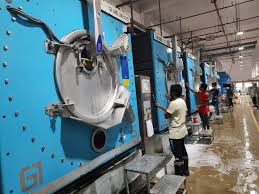
The company invests in modern denim manufacturing technologies, allowing them to produce a wide variety of washes, finishes, and styles. They cater to the high demand for denim wear from consumers globally. The quality and variety of their denim exports are key to their success.
Bangladesh is a major global hub for denim production, and Noman Group is a key player within this niche. Their capacity to produce large volumes of quality denim apparel makes them a preferred supplier for many international brands.
Knitwear and Woven Garments
Beyond denim, Noman Group also has a strong presence in knitwear and woven garment manufacturing. Knitwear includes items like t-shirts, polo shirts, sweaters, and activewear. These are made from knitted fabrics, offering comfort and stretch.
Woven garments encompass a different set of apparel, such as formal shirts, blouses, trousers, and outerwear. These are made from fabrics woven on looms, providing structure and durability. Noman Group produces these in various materials like cotton, linen, and blends.
The diversity in their product categories allows Noman Group to serve a wide customer base. They can fulfill orders for casual wear, workwear, and more formal attire, demonstrating their manufacturing flexibility. This broad offering strengthens their position in the global market.
Home Textiles
In addition to apparel, Noman Group also engages in the production and export of home textiles. This category includes items used for decorating and outfitting homes.
Products might range from bed linens, such as sheets and pillowcases, to towels, curtains, and upholstery fabrics. These items require different manufacturing processes and quality standards compared to apparel.
By exporting home textiles, Noman Group diversifies its revenue streams and caters to a different segment of the international market. This expansion shows their capability to adapt their manufacturing expertise to various textile applications.
Fabric and Yarn Exports
Noman Group is not just about finished garments; they also export raw materials such as fabrics and yarns. This means they supply other manufacturers or brands who then use these materials to create their own products.
Exporting fabrics and yarns highlights their integrated approach to textile production. They control various stages of the supply chain, from spinning yarn to weaving and finishing fabric. This allows them to ensure quality and consistency across their product offerings.
These raw material exports contribute to the broader textile ecosystem, supporting manufacturing in other countries. It demonstrates Noman Group’s role not just as a garment maker but as a comprehensive textile solutions provider.
Key Export Markets for Noman Group
Understanding where Noman Group sends its products provides a clear picture of its global reach and the major consuming regions for Bangladeshi textiles. Their export markets are a reflection of international demand and the established trade relationships Bangladesh has built. This section explores the primary regions and countries that import goods manufactured by Noman Group.
North America (USA and Canada)
North America, particularly the United States, is a massive market for textiles and apparel. Many global fashion brands and retailers source their products from countries like Bangladesh due to competitive pricing and production capacity. Noman Group is a significant supplier to this region.
The US market demands a wide range of products, from fast fashion items to more durable basics. Noman Group’s diverse product portfolio, including denim, knitwear, and woven items, makes them well-suited to meet these demands. Trade agreements and favorable import policies can also play a role in facilitating these exports.
Canada also represents an important market, though typically smaller than the US. Similar product categories are in demand, and Noman Group likely serves Canadian retailers and brands as well. The presence of major apparel brands with operations in both countries suggests significant export flows.
Europe (EU Member States)
The European Union is another critical destination for Bangladeshi textile exports, including those from Noman Group. Countries within the EU have a strong consumer base for clothing and home textiles. The EU’s demand spans across all product categories that Noman Group offers.
Major European importers often seek high-quality, ethically produced goods. Noman Group’s efforts in maintaining international labor and environmental standards are important for accessing this market. The EU’s Generalized Scheme of Preferences (GSP) also offers tariff advantages for Bangladeshi goods, making them more competitive.
Key European countries that import textiles from Bangladesh include Germany, the United Kingdom (even post-Brexit, it remains a significant market), Spain, France, and Italy. These nations represent diverse fashion tastes and purchasing power.
Asia Pacific Region
While Bangladesh is part of Asia, its textile exports also reach other countries within the Asia Pacific region, especially for specific types of products or markets. This can include countries like India, Japan, South Korea, and Australia.
Japan and South Korea are known for their fashion-forward markets and high-quality standards, making them important targets for manufacturers capable of meeting these expectations. Australia also represents a consumer market with demand for apparel and home textiles.
Trade within Asia can be driven by different factors, including regional trade agreements and the presence of multinational corporations with supply chains spanning multiple Asian countries. Noman Group’s presence in these markets demonstrates its ability to compete on a global scale.
Other Emerging Markets
Besides the major established markets, Noman Group may also be exploring or actively exporting to other emerging markets. These could include countries in the Middle East, Africa, or Latin America.
These emerging markets often represent growing middle classes with increasing disposable income, leading to greater demand for affordable and fashionable clothing. Expanding into these regions can offer diversification and new growth opportunities.
Companies like Noman Group constantly assess market potential. Their export strategies likely involve identifying and developing relationships in regions that show promise for textile and garment consumption. This forward-looking approach is key to sustained export growth.
Trends Affecting Noman Group’s Export Data
The global textile industry is dynamic, with many factors influencing production, trade, and consumer demand. For a major exporter like Noman Group, staying aware of these trends is crucial for adapting their strategies and maintaining their competitive edge. This section examines the key trends that can shape Noman Group’s export performance and the data we see.
Sustainability and Ethical Sourcing
There’s a growing global demand for sustainable and ethically produced goods. Consumers and brands are increasingly concerned about the environmental impact of fashion and the working conditions of garment factory employees. This trend heavily influences the textile industry.
Noman Group, like other leading manufacturers, needs to demonstrate commitment to sustainability. This includes using eco-friendly materials, reducing waste, and ensuring fair labor practices. Companies that prioritize these aspects often find it easier to secure contracts with major international brands that have strict sourcing policies.
Export data might reflect a shift towards higher-value, sustainably produced items.
This focus on sustainability is not just a trend but a fundamental change in how the industry operates. Buyers are willing to pay more for products that meet these criteria. For Noman Group, investing in green technologies and ethical production can lead to better export opportunities and potentially higher revenue per unit.
Technological Advancements in Manufacturing
The textile manufacturing sector is continuously adopting new technologies to improve efficiency, quality, and speed. Automation, advanced machinery, and digital design tools are becoming more prevalent.
For Noman Group, embracing these advancements can lead to increased production capacity, reduced lead times, and improved product consistency. This can make them more attractive to buyers who require large volumes of consistently high-quality goods delivered on time. Technological upgrades can also help in producing more intricate or specialized textile products.
The integration of digital technologies, such as 3D design and virtual prototyping, can also streamline the product development process. This allows for faster response to changing fashion trends and quicker order fulfillment, directly impacting export volumes and order sizes.
Global Economic Conditions and Trade Policies
The overall health of the global economy significantly impacts consumer spending on apparel and textiles. Economic downturns can lead to reduced demand, while periods of growth typically see increased purchasing.
Trade policies, including tariffs, quotas, and trade agreements, also play a major role. Changes in these policies can make exporting to certain markets more or less expensive and competitive. For instance, preferential trade agreements can boost exports by reducing import duties.
Noman Group’s export data is directly influenced by these macroeconomic factors. Fluctuations in global demand, currency exchange rates, and trade regulations can lead to variations in export volumes and values. Staying adaptable to these external economic forces is essential for maintaining stable export performance.
Supply Chain Resilience and Diversification
Recent global events have highlighted the importance of resilient supply chains. Companies are increasingly looking to diversify their sourcing to reduce risks associated with disruptions, such as natural disasters, political instability, or pandemics.
For Bangladesh, this means ensuring that its textile industry can maintain reliable production and delivery schedules. Noman Group’s ability to maintain a consistent supply chain, even during challenging times, can be a significant competitive advantage.
Buyers might also seek to diversify their own supply bases, working with manufacturers in multiple countries. While this could present competition, it also opens opportunities for manufacturers who can prove their reliability and adaptability. Noman Group’s investment in its infrastructure and operational flexibility contributes to its supply chain resilience.
Noman Group Bangladesh Textile Manufacturer Export Data Case Study
To illustrate the practical application of understanding Noman Group’s export data, let’s consider a hypothetical scenario. Suppose a textile industry analyst wants to assess the impact of increased demand for sustainable denim in Europe. They would use Noman Group’s export data to gauge the company’s response and market penetration.
For example, an analyst might track the volume and value of Noman Group’s denim exports to Germany and the Netherlands over the past three years. If the data shows a significant increase in exports of certified organic or recycled denim to these countries, it would indicate that Noman Group is successfully adapting to the sustainability trend. This could be further validated by cross-referencing with company reports or news releases mentioning their green initiatives and certifications.
If the data shows a rise in the average price per unit for denim exports to Europe, alongside an increase in volume, it could suggest that buyers are willing to pay a premium for sustainably produced denim, directly reflecting Noman Group’s strategy and market success in this niche. This kind of analysis helps businesses and investors make informed decisions based on real market movements.
Scenario 1 Analyzing Growth in Specific Markets
Imagine you are a market researcher looking to expand your fashion brand’s presence in Southeast Asia. You’ve heard that Bangladesh is a strong garment supplier. To assess Noman Group’s potential as a partner, you would look for their export data specifically to countries like Vietnam, Thailand, and Malaysia.
You would search for reports or databases showing the types and volumes of apparel Noman Group exports to these nations. If you find consistent growth in their shipments of casual wear or activewear to these markets, it indicates that Noman Group has established reliable trade channels and is meeting the demand there. This information would then guide your brand’s strategy for engaging with Noman Group.
Scenario 2 Assessing Product Diversification
A retail buyer is looking to diversify their product offering beyond standard t-shirts and jeans. They want to see if Noman Group can supply more specialized items like technical activewear or eco-friendly home textiles.
The buyer would examine Noman Group’s export data, looking for trends in categories other than their core denim and knitwear. If the data shows a steady increase in shipments of performance fabrics or organic cotton bedding to markets like the US or UK, it signals Noman Group’s capability and willingness to produce these higher-value, diversified products. This would encourage the buyer to inquire further about their specialized production lines.
Common Myths Debunked
Myth 1: Noman Group Export Data is Impossible to Find
Many people think that specific export data for companies like Noman Group is completely hidden. They believe it’s only accessible to very large corporations or government officials. However, this is not entirely true.
While direct, detailed financial reports are usually private, substantial insights can be gathered from various public and semi-public sources. Official trade databases, industry analysis reports, and even news articles can piece together a strong picture of a company’s export activities. It requires diligence, but the information is often available in fragments that can be analyzed.
Myth 2: All Textile Exports from Bangladesh Are Low Quality
There’s a persistent misconception that products made in Bangladesh are always of lower quality due to cost pressures. This myth fails to recognize the significant advancements and investments made by major manufacturers like Noman Group. These companies often adhere to international quality standards and work with global brands that demand high-quality materials and finished goods.
Noman Group, for instance, produces a wide range of products, including premium denim and sophisticated knitwear, that meet the expectations of discerning international consumers. Quality is a key differentiator for successful exporters.
Myth 3: Export Data Only Shows Quantity, Not Value
Some believe that trade data primarily focuses on the sheer volume of goods shipped, ignoring their economic worth. While quantity is indeed a significant part of export statistics, value is almost always captured as well. Trade databases typically record both the weight or number of units and the monetary value of the goods.
This allows for analysis of export revenue, average pricing per unit, and trends in product value. Therefore, export data provides insights into both the scale and the financial contribution of a company like Noman Group.
Frequently Asked Questions
Question: Where can I find general textile export data for Bangladesh
Answer: You can typically find general textile export data for Bangladesh from the Export Promotion Bureau (EPB) of Bangladesh, the World Trade Organization (WTO) website, and the United Nations Comtrade Database. These sources provide country-level statistics and sector-specific information.
Question: Does Noman Group export directly to consumers
Answer: Noman Group is primarily a business-to-business (B2B) manufacturer. They produce textiles and garments for other brands and retailers who then sell to consumers. They generally do not sell directly to individual consumers.
Question: How can I compare Noman Group’s exports to other Bangladeshi textile companies
Answer: Comparing companies often involves using trade data aggregation platforms that allow you to search for specific company shipments and volumes. You can also look for market research reports that profile leading players in the Bangladeshi textile industry and provide comparative analysis.
Question: What does “textile manufacturer export data” actually mean
Answer: It refers to the statistical information detailing the types of textile products a company manufactures and then sells to international buyers, including the quantities, values, and destination countries of these shipments.
Question: Are there any free resources to track company export data
Answer: Some free resources offer limited access to trade data, such as basic country-level statistics on government trade portals. However, detailed company-specific export data often requires subscriptions to commercial trade intelligence platforms.
Wrap Up
We’ve explored how to find and understand Noman Group Bangladesh textile manufacturer export data. By looking at official sources, industry reports, and trade platforms, you can gain valuable insights. Remember to consider the diverse products they export, their key global markets, and the trends shaping the industry.
This information helps paint a clear picture of Noman Group’s significant role in Bangladesh’s economy and global trade.