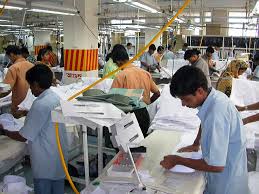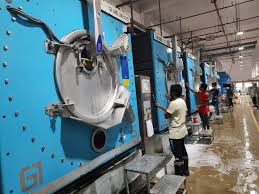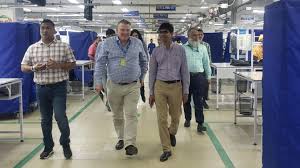
Epic Group Bangladesh Garments Factory Sourcing

Finding Epic Group Bangladesh garments factory sourcing information can feel like a puzzle, especially when you’re just starting out. Lots of details can seem confusing. But don’t worry!
We’ll walk through it step by step. You’ll learn how to find the exact information you need easily. Let’s get started finding the right factory partners.
Key Takeaways
- Learn how to identify reliable garment factories in Bangladesh.
- Understand the key factors to consider when sourcing from Bangladesh.
- Discover practical steps for contacting and vetting factories.
- Gain insights into quality control and ethical sourcing practices.
- Find ways to build strong, long-term relationships with suppliers.
Understanding Epic Group Bangladesh Garments Factory Sourcing
Sourcing garments from Bangladesh involves many steps. You need to know which factories can make your products well. You also want to make sure they are ethical and reliable.
This guide will help you find the right information about factories like those in the Epic Group. We will break down how to look for these factories and what to ask them. This will make your sourcing much simpler and more successful.
What Makes Bangladesh a Key Garment Sourcing Hub
Bangladesh is a major player in the global garment industry. Many brands choose it for its skilled workforce and competitive pricing. This makes it an attractive place for businesses looking to produce clothing.
Factories there can handle large orders and offer a wide range of products.
The country has a long history of textile manufacturing. This experience means they have developed efficient production methods. They are also getting better at meeting international standards for quality and sustainability.
This makes Bangladesh a stable choice for many companies.
For new businesses, understanding this landscape is important. It helps you see why so many companies source here. Knowing this background will help you appreciate the sourcing process more.
Why Accurate Sourcing Information Matters
Getting accurate information about garment factories is super important. It helps you avoid problems later on. If you choose the wrong factory, your products might not be made correctly.
You could also face delays in delivery. This can hurt your business and your reputation.
Good information also means you can find factories that match your needs. Are you looking for a factory that makes t-shirts, or maybe more complex items like suits? Knowing this helps you narrow down your search.
It saves you time and effort.
Furthermore, reliable information helps ensure ethical practices. You want to work with factories that treat their workers well and follow environmental rules. This is good for everyone involved.
It helps build a positive brand image.
Common Challenges for Beginners in Sourcing
Newcomers to garment sourcing often find it tricky. They might not know where to start looking for factories. Sometimes, the available information isn’t clear or easy to find.
This can lead to confusion and frustration.
Another challenge is understanding factory capabilities. Not all factories are the same. Some specialize in certain types of clothing or production methods.
Beginners might struggle to tell which factory is best suited for their specific product needs. This is where knowing how to ask the right questions comes in.
Trusting the information you find is also a big hurdle. It’s hard to know if a factory’s claims are true. Vetting factories takes time and effort.
This guide will provide tools to help you overcome these challenges.
Finding Epic Group Bangladesh Garments Factory Sourcing Details
Locating specific information about garment factories, especially those associated with larger groups like Epic Group in Bangladesh, requires a structured approach. You need to know where to look and what key details to seek. This section will guide you through the process of gathering this vital data.
Official Websites and Company Profiles
The first place to look for information is the official website of the company. Many large garment manufacturers have detailed websites. These sites often include sections about their factories, production capacities, and product specializations.
You can usually find contact information and sometimes even lists of certifications they hold.
Company profiles, often found on business directories or industry-specific platforms, can also be very useful. These profiles summarize key aspects of the company, such as its history, size, and main business areas. For a group like Epic Group, understanding their overall structure is key to identifying specific factory locations or operations.
When reviewing these sources, look for details like:
- List of manufacturing units or factories.
- Types of garments produced.
- Certifications (e.g., BSCI, WRAP, SEDEX).
- Years in operation.
- Minimum order quantities (MOQs).
These details help you understand the factory’s scale and what they are capable of producing. It’s like getting a direct report from the company itself. This is the most reliable starting point.
Industry Directories and Sourcing Platforms
Beyond individual company websites, there are many industry directories and online sourcing platforms. These resources list numerous garment manufacturers and suppliers. They often provide a searchable database where you can filter by country, product type, and certifications.
Platforms like Alibaba, Global Sources, and others are popular choices.
When using these platforms, pay attention to the factory profiles. They usually include contact details, product catalogs, and sometimes even customer reviews. Some platforms allow direct messaging with suppliers, which can be a quick way to get initial information.
Remember to cross-reference information found on these platforms. While they are useful for discovery, always try to verify details through other channels if possible. This helps ensure you’re working with accurate and up-to-date data for your sourcing needs.
Here are some of the types of information you can find:
- Company name and location.
- Main product categories.
- Factory capacity and employee numbers.
- Certifications and audit reports.
- Customer testimonials or ratings.
These platforms act as a bridge between buyers and suppliers. They make it easier to find potential partners globally.
Trade Shows and Networking Events
Attending international trade shows focused on apparel and textiles is an excellent way to find sourcing information. These events bring together manufacturers, suppliers, and buyers from around the world. You can meet factory representatives face-to-face, see product samples, and discuss your needs directly.
Networking events, often organized by trade associations or chambers of commerce, also provide opportunities. They allow for informal discussions and relationship building. Hearing directly from manufacturers or other industry professionals can offer valuable insights.
When you attend these events, prepare a list of questions. Ask about their production processes, quality control measures, and lead times. Also, inquire about their experience with international clients and their capacity to handle your order size.
These personal interactions build trust and provide deeper understanding beyond what you might find online.
Trade shows offer:
- Direct interaction with factory representatives.
- Opportunity to see product quality firsthand.
- Networking with industry peers.
- Learning about new trends and technologies.
These events are especially useful for building personal connections with potential suppliers.
Evaluating Potential Garment Factories
Once you have a list of potential factories, the next step is to evaluate them. This involves looking at several key aspects to ensure they can meet your quality, ethical, and production standards. It’s about finding a good fit for your business.
Production Capacity and Capabilities
You need to know if a factory can produce the volume of garments you require within your desired timeframe. Ask about their current production capacity, the number of production lines they have, and their typical daily or weekly output. It’s also important to understand their capabilities in terms of machinery and technology.
Do they have the right equipment for the types of fabrics and designs you want to produce? For example, if you’re making activewear, they’ll need specialized machinery for stretch fabrics. If you’re producing intricate blouses, they’ll need experienced seamstresses and precise cutting machines.
A factory might claim to be able to produce anything, but it’s better to find one that specializes in your product category. This often leads to better quality and fewer issues. Ask for examples of similar products they have made recently.
This gives you a concrete idea of their skills.
Key questions to ask include:
- What is your daily/weekly production capacity for our product type?
- What types of machinery and technology do you have available?
- What is your lead time from order confirmation to shipment?
- Can you provide examples of similar garments you’ve produced?
Understanding their limits and strengths is crucial for realistic planning.
Quality Control Processes
Quality is paramount in garment manufacturing. A factory’s quality control (QC) process determines if the final products meet your standards. Inquire about their QC procedures at every stage of production, from raw material inspection to final garment inspection.
Ask if they have an in-house QC team and what their qualifications are. Understand their inspection points: are there checks during cutting, sewing, and before packaging? What standards do they use for defect classification (e.g., minor, major, critical)?
It’s also beneficial to understand their approach to sample approval. How do they handle pre-production samples, fit samples, and top-of-production samples? A thorough QC process means fewer errors and higher customer satisfaction.
You should look for factories that:
- Have a dedicated QC team.
- Implement multi-stage inspections.
- Have clear defect classification criteria.
- Follow a structured sample approval process.
A factory that takes quality seriously will have detailed procedures and documentation for their QC efforts. This shows a commitment to excellence.
Ethical Compliance and Certifications
In today’s market, ethical sourcing is not just a preference but a necessity. Consumers and brands alike demand that garments are produced under fair labor conditions and with environmental responsibility. Factories should comply with international labor laws and have proper certifications.
Common certifications to look for include:
- BSCI (Business Social Compliance Initiative)
- WRAP (Worldwide Responsible Accredited Production)
- SEDEX (Supplier Ethical Data Exchange)
- Fair Trade certifications
- OEKO-TEX (for textile safety)
Ask for copies of their latest audit reports. These reports provide an independent assessment of their compliance with social, ethical, and environmental standards. Understanding their policies on working hours, wages, safety, and child labor is vital.
A factory that is transparent about its ethical practices is more likely to be a responsible partner. This helps protect your brand reputation and ensures you are contributing to a positive impact in the supply chain.
Example of an ethical compliance check:
- Request the factory’s latest social compliance audit report.
- Review the report for any major non-conformities or areas of concern.
- Ask for a corrective action plan (CAP) if any issues were identified.
- Verify if the factory has mechanisms for worker feedback and grievance redressal.
These steps ensure you are partnering with a factory that values human rights and environmental stewardship.
Steps for Contacting and Vetting Factories
Once you’ve identified potential factories, the next crucial step is to reach out and thoroughly vet them. This process helps confirm their suitability and builds the foundation for a successful supplier relationship. It requires careful planning and clear communication.
Initial Contact and Inquiry
Your first contact should be professional and clear. Send an email or use the contact form on their website. Clearly state who you are, the type of products you are looking to source, and your estimated order quantities and timelines.
Be specific about your needs.
For example, you could start by saying: “Dear Team, My name is and I represent . We are interested in sourcing with an estimated monthly volume of . We are seeking a reliable manufacturer in Bangladesh.”
Include a brief overview of your company and your brand’s values. This helps the factory understand if you are a good fit for them as well. Attach any necessary documents, such as a product sketch or a technical pack if available, though it’s often better to start with a general inquiry.
What to include in your initial inquiry:
- Your company name and role.
- The product category you’re interested in.
- Estimated order volume and frequency.
- Your target delivery timeframe.
- A brief mention of your brand’s mission or focus (e.g., sustainable fashion).
A well-crafted initial message sets a positive tone for future communications.
Requesting Quotes and Samples
After the initial contact and if the factory seems like a good match, the next step is to request a quotation (RFQ) and product samples. Provide them with detailed specifications for your product. This includes fabric composition, color, sizing, trims, printing or embroidery details, and any special finishing requirements.
For a quote, you need to specify your target price if you have one, or ask for their best FOB (Free On Board) price. Be clear about the Incoterms you prefer. For samples, specify if you need a counter-sample (based on their understanding of your request) or a pre-production sample made exactly to your specifications.
The factory’s response to this stage is telling. A prompt and detailed response suggests efficiency. If they ask clarifying questions, it shows they are engaged and looking to produce accurately.
Be prepared for them to ask for details you may not have considered.
When requesting quotes and samples:
- Provide a detailed technical pack or specification sheet.
- Clearly state desired sample type (e.g., prototype, sales sample, pre-production sample).
- Specify your target price, if applicable, or ask for their best offer.
- Inquire about sample costs and lead times.
- Define the acceptable quality standards for samples.
The quality and accuracy of the samples they provide will be a strong indicator of their production quality.
Factory Audits and Site Visits
For serious consideration, conducting a factory audit or a site visit is highly recommended. A site visit allows you to see the factory operations firsthand. You can assess their machinery, working conditions, cleanliness, and overall organization.
Meeting the management and production team in person builds trust.
If a physical visit isn’t possible, consider hiring a third-party inspection company to conduct an audit. These audits can cover production capabilities, quality control systems, social compliance, and environmental practices. The auditor will provide a detailed report of their findings.
During a visit or audit, look for:
- Organized workstations and clear production flow.
- Adequate lighting and ventilation.
- Safe working conditions for employees.
- Proper storage of raw materials and finished goods.
- Evidence of quality checks being performed.
These direct observations are invaluable. They can reveal issues that aren’t apparent from online information or documentation. A factory willing to open its doors for inspection is usually a sign of transparency and confidence in their operations.
A typical factory audit might include:
- Review of management systems.
- Observation of production processes.
- Interviews with workers (anonymously if possible).
- Inspection of safety equipment and emergency exits.
- Verification of compliance with labor laws.
This due diligence is critical to avoid future problems.
Building a Strong Supplier Relationship
Establishing a good working relationship with your garment suppliers is key to long-term success. It goes beyond just placing orders; it’s about partnership. This section explores how to foster such relationships.
Communication and Transparency
Open and honest communication is the bedrock of any strong supplier relationship. Keep your suppliers informed about your business, upcoming orders, and any potential changes. Likewise, encourage them to share any challenges they face, such as material shortages or production delays.
Regular communication channels should be established. This could include weekly email updates, scheduled video calls, or instant messaging for urgent matters. Be clear about your expectations and provide timely feedback.
When issues arise, address them directly and constructively.
Transparency about your brand’s requirements, market trends, and growth plans can also help suppliers better align their services. This mutual understanding leads to a more collaborative and effective partnership. It allows them to anticipate your needs and offer proactive solutions.
Key aspects of communication:
- Respond to messages promptly.
- Be clear and specific in your requests.
- Provide constructive feedback on samples and production.
- Inform them of your business’s future plans or needs.
A consistent flow of information prevents misunderstandings and builds trust.
Payment Terms and Reliability
Fair and clear payment terms are essential for a healthy supplier relationship. Understand the standard payment terms in Bangladesh for garment factories, which often involve a deposit upon order placement and the balance upon shipment. Discuss and agree upon these terms upfront.
Being a reliable payer is crucial for maintaining a good reputation. Always pay on time, or communicate any unavoidable delays well in advance. This demonstrates respect for their business and helps them manage their own cash flow.
Reliability also extends to consistency in ordering. If you have the potential for repeat business or larger volumes, communicate this to your suppliers. This can lead to better pricing, priority production, and a stronger commitment from their side.
Consider these points for payment:
- Negotiate payment terms that are fair to both parties.
- Adhere strictly to agreed-upon payment schedules.
- Communicate any potential payment delays immediately.
- Discuss future order potential to strengthen the partnership.
A factory that trusts your payment reliability will be more invested in your success.
Long-Term Partnerships and Growth
Building long-term partnerships with reliable factories offers significant advantages. It fosters loyalty, reduces the need for constant new supplier searches, and allows for deeper collaboration.
As your business grows, your supplier should ideally grow with you. Discussing your future needs and potential for increased volumes allows them to plan accordingly, perhaps by investing in new machinery or expanding their workforce. This mutual growth benefits both parties.
Loyal suppliers often provide preferential treatment, better pricing, and higher quality standards over time. They become partners invested in your brand’s success, not just vendors fulfilling orders. This can be a significant competitive advantage.
Benefits of long-term relationships:
- Improved pricing and terms over time.
- Higher priority for production slots.
- Deeper understanding of your brand and quality requirements.
- Collaborative problem-solving and innovation.
- Reduced risk and administrative burden.
Investing in these relationships creates a more stable and efficient supply chain.
Common Myths Debunked
Myth 1: All factories in Bangladesh are the same.
This is not true. Bangladesh has a diverse garment industry with factories ranging from small workshops to massive, highly automated facilities. They differ greatly in their production capacity, specialized skills, technology, quality control systems, and ethical compliance standards.
Some factories focus on basic t-shirts, while others excel at complex outerwear or formal wear. It is essential to research and identify factories that match your specific product needs and brand values.
Myth 2: Sourcing from Bangladesh is always cheap, regardless of quality.
While Bangladesh offers competitive pricing, the cheapest option is not always the best. Very low prices can sometimes indicate compromises in material quality, labor conditions, or ethical standards. It’s crucial to find a balance between cost-effectiveness and ensuring the quality and ethical production that aligns with your brand.
Good quality garments from a reputable factory may cost slightly more but will ultimately lead to better customer satisfaction and fewer returns.
Myth 3: You can find the best factories just by searching online.
Online platforms are great for initial discovery, but they are not the sole source for finding the best factories. Many excellent manufacturers may not have a strong online presence. Relying solely on online listings can limit your options.
Trade shows, industry networking, recommendations from trusted sources, and direct factory audits provide deeper insights and access to a wider range of reliable suppliers.
Myth 4: Once you find a factory, you never need to look again.
The garment industry is dynamic. Factory capabilities can change, and market demands evolve. While building long-term relationships is valuable, it’s wise to periodically review your supplier base.
Staying aware of new technologies, emerging factories, and industry best practices ensures you are always working with the most efficient and suitable partners for your current and future needs.
Frequently Asked Questions
Question: How can I verify a factory’s certifications in Bangladesh?
Answer: You can ask the factory for copies of their latest certification documents and audit reports. For major certifications like BSCI or WRAP, you can also often verify their validity through the certifying body’s online database. It’s also wise to ask for references from other clients who have worked with the factory.
Question: What is the typical minimum order quantity (MOQ) for garment factories in Bangladesh?
Answer: MOQs can vary significantly. For basic items like t-shirts, some factories might accept MOQs as low as 500-1000 pieces. For more complex garments or specialized fabrics, MOQs can range from 2,000 to 5,000 pieces or more.
It’s best to inquire directly with each factory about their specific requirements.
Question: How can I ensure ethical labor practices when sourcing from Bangladesh?
Answer: Look for factories with recognized social compliance certifications like BSCI, WRAP, or SEDEX. Request recent audit reports and be prepared to ask detailed questions about working hours, wages, safety, and worker representation. A factory willing to be transparent and allow third-party audits is usually a good sign.
Question: What are the best ways to communicate my design and quality requirements to a factory?
Answer: The most effective way is to provide a detailed technical pack. This document should include all specifications, such as fabric composition, color codes, measurements, construction details, trim placements, and artwork for prints or embroidery. Clear photos or sketches are also very helpful.
Question: Should I visit the factory in person or use a third-party inspector?
Answer: Visiting in person offers the most direct insight, but it’s not always feasible due to cost or time. Using a reputable third-party inspection service is a highly effective alternative. They can provide objective assessments of production, quality, and compliance, especially if you cannot visit regularly.
Summary
Finding the right partners for Epic Group Bangladesh garments factory sourcing involves careful research and evaluation. Focus on official channels, industry directories, and direct communication. Always verify production capacity, quality controls, and ethical compliance.
Building transparent, reliable relationships leads to successful sourcing and long-term growth. Start with clear inquiries and detailed specifications to ensure your needs are met effectively.