Akij Textile Mills Ltd Bangladesh Factory Facts

Finding clear details about the Akij Textile Mills Ltd Bangladesh textile factory information can feel tricky when you’re new to it. So many terms and places can make your head spin! But don’t worry, we’ll break it all down simply.
We’ll guide you step by step so you can easily find what you need. Get ready to learn all about this important part of Bangladesh’s industry.
Key Takeaways
- You will learn about Akij Textile Mills Ltd’s role in Bangladesh.
- The post explains key aspects of their factory operations.
- You will discover important information for understanding this textile producer.
- The article provides easy-to-understand facts about their facilities.
- Readers will gain insight into their production processes.
Akij Textile Mills Ltd Overview
Akij Textile Mills Ltd is a big name in Bangladesh’s textile sector. They are known for making many different kinds of fabrics. This company plays a vital role in the country’s economy, providing jobs and exporting goods.
Understanding their factory is key to seeing how a major textile producer functions. We will look at their main operations and what makes them important.
The textile industry in Bangladesh is one of its largest export earners. Akij Textile Mills Ltd is a significant contributor to this success. Their factories are hubs of production where raw materials become finished textiles.
These textiles are then used in clothing and other products sold worldwide.
Company History and Growth
Akij Textile Mills Ltd started with a vision to grow in the textile market. Over the years, they have expanded their facilities and production capacity. This growth has made them a leader in the industry.
Their success is built on quality and efficient manufacturing.
The company’s journey shows how a business can develop over time. They have adapted to market changes and invested in new technology. This allows them to meet the demands of global buyers.
Their expansion also means more jobs for people in Bangladesh.
Product Range
Akij Textile Mills Ltd produces a wide variety of textile products. This includes cotton yarn, fabrics for garments, and specialized textiles. Their diverse range helps them serve many different customers and markets.
The fabrics they make are used in everything from everyday clothing to home furnishings. This variety means their factories are equipped for different types of textile production. It showcases their skill in handling various fibers and weaving techniques.
- Cotton yarn production is a major part of their business. This yarn is the basic building block for many fabrics.
- They also produce woven fabrics. These are used for shirts, pants, and other apparel items.
- Knitted fabrics are another important product. These are common in t-shirts and activewear.
The ability to produce both yarn and finished fabrics gives them a strong position. It allows for better control over quality and production timelines. This integration is a common strategy for large textile companies.
Factory Operations and Technology
The factories of Akij Textile Mills Ltd are state-of-the-art. They use modern machinery and technology to ensure high quality and efficiency. This includes advanced spinning, weaving, and finishing processes.
The technology used in these factories is crucial for their success. It helps in producing textiles that meet international standards. Automation and smart systems are often integrated to optimize production.
This results in less waste and faster output.
Spinning and Yarn Production
The spinning process transforms raw cotton fibers into yarn. Akij Textile Mills Ltd uses advanced spinning machines. These machines carefully twist the fibers together.
This creates strong and consistent yarn.
Yarn Count is a measure of yarn thickness and strength. A higher yarn count means finer yarn. Akij Textile Mills Ltd produces various yarn counts.
This suits different fabric needs.
The process starts with cleaning and carding the cotton. This aligns the fibers. Then, drawing and roving prepare the fibers for spinning.
Finally, the spinning frame twists the fibers into yarn. The yarn is then wound onto cones.
- Automatic Spinning Machines ensure uniformity and speed. These machines can operate for long periods with minimal interruption. They reduce the need for constant manual checks.
- Quality Control Stations monitor yarn strength and consistency. Sensors detect defects and ensure the yarn meets specifications. This proactive approach prevents issues downstream.
- Advanced Winding Technology ensures yarn is spooled evenly. This is important for subsequent fabric manufacturing.
Weaving and Fabric Manufacturing
Weaving is the process of interlacing yarn to create fabric. Akij Textile Mills Ltd employs modern weaving looms. These looms can create intricate patterns and strong fabrics.
There are two main types of weaving: plain weave and twill weave. Plain weave is simple and strong, like in poplin. Twill weave creates diagonal lines, like in denim.
Akij Textile Mills Ltd produces fabrics using various weave structures.
The looms are set up with warp yarns stretched lengthwise. Weft yarns are then passed through the warp. This creates the woven fabric structure.
The speed and precision of these looms are key to efficient production.
- High-Speed Looms increase production volume significantly. These machines operate at hundreds of picks per minute. They can produce large quantities of fabric quickly.
- Automated Shuttleless Looms reduce manual labor. They use air jets or rapier mechanisms to insert weft yarns. This leads to fewer errors and higher fabric quality.
- Fabric Inspection Systems check for defects. Cameras and sensors scan the fabric as it is produced. Any flaws are marked for correction or removal.
Finishing Processes
After weaving, fabrics undergo finishing processes. These treatments improve appearance, feel, and performance. Akij Textile Mills Ltd uses various finishing techniques.
Finishing can include dyeing, printing, and applying special coatings. Dyeing gives the fabric its color. Printing adds patterns.
Coatings can make fabric water-repellent or flame-retardant.
These steps are essential for making fabric ready for garment production. They enhance the fabric’s value and appeal to consumers. The right finishing ensures the fabric performs well in its final use.
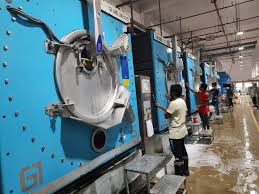
- Dyeing Machines apply color evenly and consistently. They use specific temperature and chemical controls. This ensures the color fastness and shade accuracy.
- Printing Technologies allow for creative designs. This can range from simple block prints to complex digital printing.
- Special Treatments like sanforizing reduce shrinkage. Other treatments can add wrinkle resistance or a softer feel.
Sustainability and Ethical Practices
Modern textile factories focus on sustainability and ethical practices. Akij Textile Mills Ltd is also committed to these principles. This involves managing environmental impact and ensuring fair labor.
Sustainability means using resources wisely and reducing pollution. Ethical practices ensure workers are treated well and paid fairly. These are important for companies operating globally.
Environmental Management
Textile production can use a lot of water and energy. It can also create wastewater. Akij Textile Mills Ltd works to minimize its environmental footprint.
This includes investing in wastewater treatment plants. They also aim to reduce energy consumption. Using renewable energy sources is another step towards better environmental management.
- Effluent Treatment Plants (ETP) clean wastewater before it is discharged. This removes harmful chemicals. It helps protect local water bodies.
- Energy Efficiency Measures are implemented across the factories. This includes using LED lighting and optimizing machinery operations.
- Resource Conservation practices aim to reduce waste. This can involve recycling materials and optimizing material usage.
Worker Welfare and Safety
The safety and well-being of workers are paramount. Akij Textile Mills Ltd adheres to labor laws and provides a safe working environment. This includes providing proper training and safety equipment.
Fair wages and reasonable working hours are also key. Companies that prioritize worker welfare often see higher productivity and lower turnover. This creates a stable and motivated workforce.
A strong commitment to worker safety is crucial in any factory setting. Regular safety audits and drills are conducted. Emergency preparedness is also a focus.
- Safety Training Programs educate workers on potential hazards. They learn how to operate machinery safely. This reduces accidents.
- Personal Protective Equipment (PPE) is provided. This includes gloves, masks, and safety glasses. It protects workers from various risks.
- Health and Medical Facilities are often available. This ensures workers can receive prompt medical attention if needed.
Impact on Bangladesh’s Economy
Akij Textile Mills Ltd is a significant player in Bangladesh’s economy. Its operations contribute to job creation and foreign exchange earnings. The textile sector is a backbone of the country’s industrial growth.
The company’s success directly impacts many lives. It supports families through employment and contributes to the nation’s development. Their role extends beyond just manufacturing.
Employment Generation
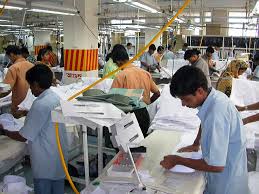
Textile factories employ a large number of people. Akij Textile Mills Ltd provides jobs for thousands of workers. These jobs range from factory floor operations to management and administration.
This employment helps reduce poverty and improve living standards. It gives many individuals access to stable income and skills development.
The ripple effect of employment is also significant. It supports local businesses and services. This creates a broader economic boost.
- Direct Employment in factories creates thousands of jobs. This includes spinners, weavers, finishers, and support staff.
- Indirect Employment is generated through supply chains. This includes raw material suppliers, logistics providers, and maintenance services.
- Skills Development opportunities are offered. Workers can learn new skills and advance in their careers.
Export Earnings
Bangladesh is a major exporter of textiles and garments. Akij Textile Mills Ltd contributes significantly to these export earnings. They supply fabrics to international garment manufacturers.
Foreign exchange earned from exports helps the country’s balance of payments. It supports imports of essential goods and services. This makes textile exports vital for national economic health.
The demand for their products in international markets signifies quality. It also shows their ability to meet global standards. This makes them a valuable contributor to the national economy.
Statistics from industry reports show the importance of textiles. For example, the ready-made garment sector alone often accounts for over 80% of Bangladesh’s total exports. While Akij Textile Mills Ltd focuses on fabric, they are a key part of this larger export ecosystem.
| Type of Contribution | Impact |
|---|---|
| Job Creation | Thousands of direct and indirect jobs |
| Foreign Exchange | Significant contribution to export earnings |
| Economic Growth | Boosts local economies and national GDP |
Common Myths Debunked
Myth 1: Textile factories are always dirty and unsafe places.
This is a common misconception. While some older or poorly managed factories might have issues, modern factories like those of Akij Textile Mills Ltd are designed with safety and cleanliness in mind. Strict regulations and modern technology ensure that work environments are managed.
Regular cleaning, proper ventilation, and advanced safety equipment are standard.
Myth 2: Textile production only uses basic machines.
This is far from the truth. Today’s textile manufacturing involves highly sophisticated technology. Automated looms, advanced spinning machines, and precise finishing equipment are used.
These machines require skilled operators and regular maintenance. The industry is constantly innovating with new technologies.
Myth 3: Workers in textile factories have no rights or protections.
Reputable companies, including Akij Textile Mills Ltd, adhere to labor laws and international standards. These standards cover fair wages, working hours, and safe working conditions. Many factories have worker welfare programs and grievance mechanisms in place.
Unions also play a role in advocating for workers’ rights in some regions.
Myth 4: Sustainable textile production is too expensive to be practical.
While initial investments in sustainable technology can be high, they often lead to long-term cost savings. Reducing waste, improving energy efficiency, and recycling materials can cut operational expenses. Furthermore, growing consumer demand for eco-friendly products makes sustainability a market advantage, not just an expense.
Frequently Asked Questions
Question: What is Akij Textile Mills Ltd primarily known for producing?
Answer: Akij Textile Mills Ltd is known for producing a wide range of textile products, including cotton yarn and various types of fabrics used for garments and other applications.
Question: Does Akij Textile Mills Ltd use modern technology in its factories?
Answer: Yes, the company utilizes modern machinery and advanced technology in its spinning, weaving, and finishing processes to ensure quality and efficiency.
Question: What is the importance of the textile industry in Bangladesh?
Answer: The textile industry is a major contributor to Bangladesh’s economy, generating significant export earnings and creating numerous employment opportunities.
Question: Are Akij Textile Mills Ltd factories considered safe workplaces?
Answer: Reputable textile factories, including Akij Textile Mills Ltd, focus on worker safety through training, proper equipment, and adherence to safety regulations.
Question: How does Akij Textile Mills Ltd contribute to environmental sustainability?
Answer: The company works on environmental management by investing in wastewater treatment, improving energy efficiency, and implementing resource conservation practices.
Summary
Akij Textile Mills Ltd stands as a pillar in Bangladesh’s textile industry. They operate modern factories, producing high-quality yarns and fabrics using advanced technology. Their commitment extends to environmental care and worker well-being.
This company significantly boosts Bangladesh’s economy through jobs and exports.