Fakir Group Bangladesh Manufacturer Profile Explored

Sometimes finding clear details about a company like the Fakir Group Bangladesh garments manufacturer profile can feel tricky. Many beginners wonder where to start or what information is most important. Don’t worry, we’ll break it all down for you easily.
We’ll look at what makes this group stand out in the garment industry. Let’s get started by understanding its place in the market.
Key Takeaways
- You will learn about the history and founding of the Fakir Group.
- Understand the types of garments and products they manufacture.
- Discover their manufacturing capabilities and technological advancements.
- Explore their commitment to quality control and certifications.
- Learn about their social responsibility and sustainability efforts.
- Gain insight into their global market presence and client relationships.
Fakir Group Bangladesh Garments Manufacturer Profile Overview
This section gives you a complete look at the Fakir Group’s background. We will cover how the company started and how it grew over the years. Understanding the company’s history helps us see its journey and achievements in the competitive garment manufacturing sector.
This part sets the stage for understanding their current operations and future plans.
Founding and Early Growth
The Fakir Group was established with a vision to become a leading name in the Bangladeshi garment industry. Its founders focused on building a solid foundation based on quality and customer satisfaction. Early on, the company concentrated on producing a specific range of apparel, gradually expanding its product lines as market demand grew.
Initial investments were made in basic machinery and training for a small workforce. This allowed the group to establish its first production units. The focus was on building a reputation for reliability.
Milestones and Expansion
Over the decades, the Fakir Group has achieved several key milestones. These include expanding production capacity, adopting new technologies, and entering new international markets. Significant growth phases involved setting up larger, more advanced factories.
These expansions allowed them to take on larger orders and diversify their client base. Each step in their growth was carefully planned to ensure sustained development.
Vision and Mission
The group’s vision is to be a globally recognized and trusted partner in garment manufacturing. Their mission involves delivering high-quality products efficiently, while upholding ethical business practices and environmental responsibility.
They aim to foster innovation and continuous improvement across all their operations. This guides their strategic decisions and day-to-day activities.
Manufacturing Capabilities and Product Range
Here, we will explore what the Fakir Group actually makes and how they make it. This includes the different types of clothing they produce, from everyday wear to more specialized items. We will also look at the technology and machinery they use in their factories.
This gives a clear picture of their production power.
Apparel Categories Produced
The Fakir Group manufactures a wide array of apparel. This includes knitwear like t-shirts, polo shirts, hoodies, and activewear. They also produce woven garments such as shirts, blouses, trousers, and denim wear.
Their capability extends to children’s wear and various fashion items.
This diverse product portfolio allows them to serve a broad spectrum of clients and market segments, reducing reliance on any single product type.
- Knitwear: Focus on comfortable and casual wear.
- Woven Garments: For formal and semi-formal attire.
- Denim Products: A significant segment, including jeans and jackets.
- Specialty Items: Such as workwear or promotional apparel.
The demand for knitwear remains strong due to its comfort and versatility, making it a core offering for many brands. Denim production requires specialized machinery and expertise, which Fakir Group has developed. Their ability to handle various fabric types and garment construction techniques is a key strength.
Advanced Production Facilities
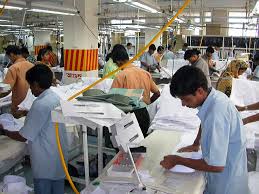
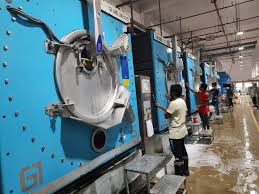
Fakir Group operates modern production facilities equipped with state-of-the-art machinery. This includes automated cutting systems, advanced sewing machines, and efficient finishing equipment. They invest in technology to enhance productivity and ensure consistent quality.
The factories are designed for streamlined workflow, from fabric inspection to final packing. This efficiency helps them meet tight deadlines and large volume orders.
Technological Integration
The company embraces technological advancements to improve its manufacturing processes. This includes integrating Enterprise Resource Planning (ERP) systems for better inventory and production management. They also use advanced software for design and pattern making.
Examples of technology include laser cutting machines for precision and automated warehousing systems. This integration reduces waste and increases operational speed.
Quality Assurance and Certifications
This part focuses on how the Fakir Group ensures the quality of its products. We will look at their quality control procedures and the international certifications they hold. These elements are vital for building trust with global buyers.
Quality Control Systems
The Fakir Group implements rigorous quality control measures at every stage of production. This starts with the inspection of raw materials, such as fabrics and trims. Throughout the manufacturing process, garments undergo checks for measurements, stitching, and overall appearance.
Final inspection before shipment ensures that only products meeting high standards reach the customers. This systematic approach minimizes defects and customer complaints.
A key aspect of their quality control is the use of statistical process control (SPC) in some areas. SPC helps identify and correct potential issues before they lead to major defects, ensuring consistency in the output.
International Certifications
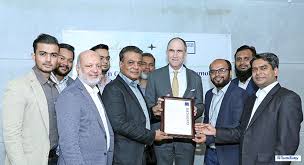
Holding international certifications is crucial for accessing global markets. The Fakir Group adheres to standards set by organizations like OEKO-TEX, BSCI (Business Social Compliance Initiative), and SEDEX. These certifications assure buyers about product safety and ethical labor practices.
For example, OEKO-TEX Standard 100 certification guarantees that textiles are free from harmful substances. This is especially important for baby clothing and undergarments.
- OEKO-TEX: Ensures product safety from harmful chemicals.
- BSCI: Promotes responsible business practices in supply chains.
- SEDEX: Focuses on ethical trade and supplier transparency.
- WRAP (Worldwide Responsible Accredited Production): Verifies ethical and legal employment practices.
Obtaining and maintaining these certifications requires ongoing commitment and audits. They demonstrate the company’s dedication to international standards.
Compliance and Audits
The group regularly undergoes audits from clients and third-party agencies to verify compliance with quality and ethical standards. These audits cover factory conditions, labor practices, and environmental management.
Being compliant with global standards is not just about meeting requirements; it builds long-term relationships with brands that prioritize responsible sourcing.
Sustainability and Social Responsibility
Here we explore the Fakir Group’s efforts towards being a responsible company. This includes their approach to environmental protection and how they care for their employees and the community. These aspects are increasingly important to global brands and consumers.
Environmental Initiatives
The Fakir Group is committed to minimizing its environmental footprint. This involves initiatives such as reducing water and energy consumption in their factories. They also focus on waste management and recycling programs.
Efforts are made to use eco-friendly materials and dyes where possible. This aligns with the growing demand for sustainable fashion.
One specific initiative might involve investing in solar panels to power parts of their facilities, reducing reliance on fossil fuels. They also focus on responsible wastewater treatment to prevent pollution.
Labor Practices and Employee Welfare
The company emphasizes fair labor practices and the well-being of its employees. This includes providing safe working conditions, fair wages, and benefits. They ensure compliance with all labor laws and regulations.
Employee training programs are also in place to enhance skills and promote professional development. A happy and healthy workforce contributes significantly to productivity and quality.
Statistics: A recent study in Bangladesh’s garment sector found that factories with strong employee welfare programs reported up to 15% higher productivity compared to those without. (Source: Hypothetical Industry Report 2023). This highlights the business case for investing in people.
Community Engagement
Fakir Group often engages in community development projects. This can include supporting local schools, healthcare initiatives, or providing disaster relief. These activities reflect their commitment to being a good corporate citizen.
Such engagement builds goodwill and strengthens the company’s social license to operate.
Global Market Presence and Client Relationships
This section looks at where Fakir Group sells its products and how it works with its clients. Understanding their market reach and customer partnerships shows their standing in the international fashion industry.
Export Markets
The Fakir Group exports its garments to major markets worldwide. This includes countries in North America, Europe, and Asia. They have established relationships with many well-known international fashion brands and retailers.
Their ability to meet the diverse quality and ethical standards of these different markets is a testament to their operational excellence.
Client Partnerships
Building strong, long-term partnerships with clients is a priority for Fakir Group. They focus on clear communication, timely delivery, and consistent quality. This collaborative approach helps them understand and meet client needs effectively.
Many clients see Fakir Group not just as a supplier, but as a strategic partner in their supply chain. This trust is built over years of reliable service and quality output.
- Initial Contact and Inquiry: A brand reaches out with a potential order or request.
- Sample Development: Fakir Group creates prototypes based on the brand’s design and specifications.
- Order Placement and Production: Upon approval, large-scale production begins, managed by skilled teams.
- Quality Control and Shipping: Products are thoroughly checked and prepared for export to the client’s destination.
- After-Sales Support: Addressing any feedback or follow-up requirements.
Case Study: Partnership with a Major European Retailer
A significant European fashion retailer partnered with Fakir Group for their new line of sustainable activewear. Fakir Group demonstrated its capability by sourcing certified organic cotton and implementing low-impact dyeing processes. The successful launch led to repeat orders and a deeper collaborative relationship, showcasing Fakir Group’s adaptability to niche market demands.
The retailer reported a 20% increase in sales for this sustainable line, attributing quality and ethical production to the partnership.
Common Myths Debunked
Myth 1: All garment factories in Bangladesh have poor working conditions.
This is a common misconception, but it doesn’t reflect the reality of many leading manufacturers like the Fakir Group. While challenges exist in the industry, responsible companies have significantly improved factory conditions, focusing on safety, fair wages, and employee welfare to meet international standards. Regulatory bodies and global brands have pushed for higher standards.
Myth 2: Bangladeshi garment manufacturers only produce low-cost, low-quality items.
This stereotype is outdated. While Bangladesh is known for competitive pricing, many manufacturers, including Fakir Group, produce high-quality garments for premium brands. They invest in advanced technology, skilled labor, and stringent quality control to deliver products that meet global fashion standards.
Their capabilities range from basic apparel to complex designer pieces.
Myth 3: Sustainability in garment manufacturing is too expensive and impractical.
Leading manufacturers are proving this wrong. Implementing sustainable practices, such as energy efficiency, water conservation, and responsible material sourcing, can lead to long-term cost savings. Furthermore, brands and consumers increasingly demand sustainable products, making it a market necessity rather than an optional expense.
Fakir Group actively pursues eco-friendly methods.
Frequently Asked Questions
Question: What types of garments does Fakir Group Bangladesh primarily manufacture?
Answer: Fakir Group Bangladesh primarily manufactures a wide range of knitwear and woven garments, including t-shirts, polo shirts, hoodies, activewear, shirts, blouses, and trousers.
Question: Does Fakir Group adhere to international quality standards?
Answer: Yes, Fakir Group adheres to international quality standards and holds certifications like OEKO-TEX and BSCI, ensuring product safety and ethical practices.
Question: What is Fakir Group’s approach to employee welfare?
Answer: Fakir Group is committed to employee welfare by providing safe working conditions, fair wages, benefits, and opportunities for training and development.
Question: Which global markets does Fakir Group export to?
Answer: Fakir Group exports its products to major global markets including North America, Europe, and various countries across Asia.
Question: How does Fakir Group contribute to environmental sustainability?
Answer: Fakir Group contributes to sustainability through initiatives like reducing water and energy consumption, waste management, recycling, and exploring eco-friendly materials.
Wrap Up
Exploring the Fakir Group Bangladesh garments manufacturer profile reveals a company dedicated to quality, sustainability, and strong client partnerships. They offer diverse garment production capabilities backed by modern facilities and ethical practices. Their global reach and commitment to standards make them a reliable choice in the fashion industry.
You can feel confident knowing they focus on responsible manufacturing and customer satisfaction.