Bitopi Group Bangladesh Apparel Manufacturing Details

Learning about Bitopi Group Bangladesh apparel manufacturing details can seem tricky at first. There are many steps and terms to remember. But don’t worry, this guide breaks it all down simply.
We will go through everything step by step so you can understand it easily. Get ready to learn about how clothes are made at Bitopi Group.
Key Takeaways
- You will learn about the different stages of apparel production.
- This post explains how Bitopi Group handles quality control.
- You will find out about their sourcing and supply chain practices.
- We will cover the technology used in their factories.
- Learn about their commitment to sustainability and ethical practices.
- Understand the export process for Bitopi Group’s products.
Bitopi Group Bangladesh Apparel Manufacturing Process
Understanding the Apparel Manufacturing Stages
The creation of clothing involves several key steps. Bitopi Group follows a structured process to make sure each garment is made well. These stages turn raw materials into finished products ready for customers.
Understanding these steps helps appreciate the effort behind each piece of clothing.
Design and Sampling
Everything starts with a design. Designers create new styles based on market trends and client needs. These ideas are then turned into physical samples.
This involves pattern making, cutting fabric, and stitching the first version of the garment.
Pattern makers translate the design sketches into precise paper or digital patterns. These patterns guide the cutting of fabric. Multiple samples might be created and reviewed.
Clients often give feedback during this phase. Adjustments are made until the sample meets all requirements.
Fabric Sourcing and Preparation
Fabrics are the main material for clothing. Bitopi Group sources fabrics from various suppliers. They choose fabrics based on quality, cost, and suitability for the design.
Common fabrics include cotton, polyester, and blends.
Once fabrics arrive, they are inspected for defects. Then, they might undergo treatments like washing or dyeing to achieve the desired color and texture. This preparation is vital for the final look and feel of the garment.
Cutting the Fabric
Fabric is laid out in multiple layers. This is often done on long tables. Advanced cutting machines, sometimes computer-controlled (CNC cutters), are used to precisely cut the fabric according to the patterns.
This stage requires accuracy. Even small errors in cutting can lead to fitting problems later on. Skilled workers ensure each piece is cut perfectly, minimizing fabric waste.
Sewing and Assembly
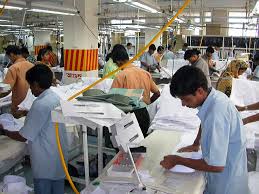
This is where the garment takes shape. Different sections of the garment are sewn together. This includes attaching sleeves, collars, pockets, and side seams.
Workers use various sewing machines for different tasks. Some machines are for straight stitches, others for overlocking or buttonholes. The assembly line system helps in efficient production.
Each worker specializes in a particular task.
Finishing and Quality Control
Once sewn, garments undergo finishing. This can include trimming loose threads, pressing to remove wrinkles, and adding buttons or labels.
Quality control is a continuous process. Inspectors check garments at each stage. They look for stitching errors, fabric flaws, measurement accuracy, and overall appearance.
Final inspections ensure only perfect garments move forward.
Packaging and Export
Finished garments are folded, ironed, and then packed into polybags. They are then placed into cartons. Each carton is labeled with product details, size, and quantity.
These cartons are prepared for shipment. Bitopi Group works with logistics partners to export the clothing to international buyers. This involves customs documentation and shipping arrangements.
Bitopi Group Bangladesh Apparel Manufacturing Quality Assurance
Ensuring high quality is very important at Bitopi Group. They have systems in place to check every step of the manufacturing process. This helps them meet the standards their global clients expect.
In-line Inspection
Checks happen while the clothes are still being made. This is called in-line inspection. Inspectors look at garments as they move from one station to another.
This early checking catches problems right away. It’s easier and cheaper to fix issues when they are small. This prevents many defective items from being made.
Mid-line Inspection
This inspection happens after a section of the garment is finished, but before it is fully assembled. For example, inspectors might check the quality of the sewing on sleeves before they are attached to the body.
This helps ensure that components are correctly made before they are combined. It adds another layer of security to the production process.
Final Random Inspection (FRI)
Before packing, a random selection of finished garments is thoroughly checked. This is the final gatekeeper. Inspectors use checklists to ensure every detail is correct.
They measure garments, check stitching, fabric quality, color, and labeling. If too many defects are found, the whole batch might need to be re-inspected or reworked. This is a crucial step to confirm that the products meet the required standards before shipping.
Performance Standards
Bitopi Group adheres to international quality standards. These can include AQL (Acceptable Quality Limit) standards, which are widely used in the garment industry.
These standards define how many defects are acceptable in a batch. Meeting these benchmarks is essential for maintaining client trust and reputation.
Supply Chain and Material Sourcing
A well-managed supply chain is key for efficient apparel production. Bitopi Group focuses on reliable sourcing and logistics.
Supplier Selection and Auditing
Choosing the right suppliers for fabric, accessories, and other materials is vital. Bitopi Group has a process for selecting and vetting their suppliers.
They often audit their suppliers to ensure they meet ethical and quality standards. This includes checking working conditions and environmental practices. A strong partnership with suppliers ensures a steady flow of good quality materials.
Traceability
Knowing where materials come from is important. Traceability allows Bitopi Group to track the origin of their fabrics and components.
This is useful for quality control and for meeting client demands for transparency. It helps in identifying any issues early in the supply chain.
Logistics and Inventory Management
Efficiently moving materials into the factory and finished goods out is crucial. Bitopi Group manages its logistics to ensure timely deliveries.
Good inventory management prevents shortages of materials or overstocking. This keeps production running smoothly and reduces costs.
Technology and Innovation at Bitopi Group
Modern factories use advanced technology to improve efficiency and quality. Bitopi Group invests in new tools and methods.
Automated Cutting Machines
Instead of manual cutting, many factories now use automated machines. These machines are controlled by computers and can cut fabric very quickly and precisely.
This technology reduces errors and fabric waste. It also speeds up the cutting process significantly, which is a bottleneck in apparel production.
Advanced Sewing Technology
Sewing machines have also become more advanced. Special machines can perform complex stitches, add zippers, or create buttonholes automatically.
Some machines are designed for specific tasks, like attaching collars or cuffs. This specialization increases speed and consistency. Bitopi Group likely uses a mix of these technologies.
Information Technology Integration
Computers and software play a big role in managing production. This includes systems for tracking orders, managing inventory, and monitoring production progress.
These IT systems help in better planning and decision-making. They provide real-time data about the factory’s operations.
Sustainability and Ethical Practices
Many global brands now require their suppliers to follow sustainable and ethical guidelines. Bitopi Group is likely committed to these principles.
Environmental Initiatives
This can include efforts to reduce water usage, energy consumption, and waste. Factories may use eco-friendly dyes or recycled materials.
Proper waste management and disposal are also key. Some factories might have systems for recycling fabric scraps or treating wastewater.
Worker Welfare
Ethical manufacturing means ensuring fair wages, safe working conditions, and reasonable working hours for employees. Compliance with labor laws and international standards is important.
Bitopi Group would likely have policies in place to protect its workers. This includes health and safety training and grievance mechanisms.
Certifications
Many companies seek certifications to prove their commitment to sustainability and ethics. Examples include WRAP (Worldwide Responsible Accredited Production) or BSCI (Business Social Compliance Initiative).
These certifications involve independent audits of factory practices. They give buyers confidence that the products are made responsibly.
Exporting Apparel from Bangladesh
Bangladesh is a major global hub for apparel exports. Bitopi Group plays a role in this industry.
Export Procedures
Exporting garments involves several steps. This includes preparing export documentation, such as invoices, packing lists, and bills of lading.
Customs clearance in Bangladesh and in the destination country is also necessary. Bitopi Group would have a team that handles these complex procedures.
Trade Agreements and Tariffs
Bangladesh benefits from various international trade agreements. These can offer preferential access to certain markets, reducing tariffs.
Understanding these agreements helps Bitopi Group remain competitive. It influences where they can export and at what cost.
Case Study: Bitopi Group’s Focus on Denim Production
Bitopi Group is known for its strong capabilities in denim manufacturing. Denim is a popular fabric for jeans, jackets, and other apparel.
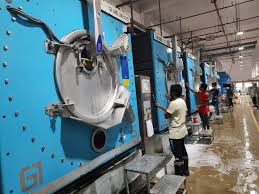
Producing high-quality denim requires specialized machinery and expertise. This includes advanced washing and finishing techniques to achieve different looks and textures. Bitopi Group has invested in technology for processes like laser finishing and ozone washing, which are more sustainable alternatives to traditional methods.
One particular success was a contract with a major European fashion brand for a new line of eco-friendly jeans. By using organic cotton and employing water-saving finishing techniques, Bitopi Group was able to meet the brand’s strict sustainability criteria. The jeans were produced with a 30% reduction in water usage compared to conventional denim.
This project highlighted Bitopi Group’s ability to combine quality, style, and environmental responsibility.
The project involved several stages:
- Material Selection: Sourcing certified organic cotton from trusted suppliers.
- Fabric Weaving: Ensuring the fabric had the right weight and weave for denim.
- Cutting and Sewing: Precisely cutting patterns and assembling the jeans.
- Washing and Finishing: Using advanced, low-water technologies for a worn look.
- Quality Checks: Ensuring every pair met stringent durability and aesthetic standards.
- Packaging and Shipping: Preparing for export to European markets.
This case study shows how Bitopi Group adapts to market demands for sustainable fashion, maintaining high production standards.
Common Myths Debunked
Myth 1: All factories in Bangladesh have poor working conditions.
This is a common misconception. While there have been historical issues, many factories in Bangladesh, including larger ones like Bitopi Group, have significantly improved their standards. They comply with international labor laws, safety regulations, and often go beyond these to ensure worker welfare and fair practices.
Independent audits and certifications are common.
Myth 2: Apparel manufacturing is a simple, low-skill process.
Apparel manufacturing is a complex process requiring specialized skills at every stage. From intricate pattern design and precise fabric cutting to advanced sewing techniques and quality control, each step demands expertise. Technology also plays a crucial role, requiring skilled operators and technicians.
Myth 3: Sustainable manufacturing significantly increases clothing costs for consumers.
While some sustainable materials or processes might have higher initial costs, efficient management and economies of scale can mitigate this. Furthermore, consumers are increasingly willing to pay a premium for ethically and sustainably produced goods. Bitopi Group’s focus on efficient technologies and waste reduction can help manage costs.
Myth 4: Quality control in Bangladesh is always basic.
Established manufacturers like Bitopi Group implement rigorous, multi-stage quality control systems. These include in-line inspections, mid-line checks, and final random inspections using internationally recognized standards. Advanced technology and trained quality assurance teams ensure high-quality output that meets global expectations.
Frequently Asked Questions
Question: What types of garments does Bitopi Group typically manufacture?
Answer: Bitopi Group manufactures a wide range of apparel, including woven garments like shirts, blouses, trousers, and outerwear, as well as knitwear such as t-shirts, polo shirts, and activewear. They are also known for their denim production.
Question: How does Bitopi Group ensure the quality of its fabrics?
Answer: Bitopi Group sources fabrics from reputable suppliers and conducts thorough inspections upon arrival. They check for defects, color consistency, shrinkage, and other performance characteristics to ensure they meet project specifications.
Question: What role do audits play in Bitopi Group’s operations?
Answer: Audits are crucial for Bitopi Group to verify compliance with quality standards, safety regulations, and ethical labor practices, both internally and with their suppliers. This helps maintain client trust and regulatory adherence.
Question: Is it possible for small businesses to work with Bitopi Group?
Answer: Typically, large manufacturers like Bitopi Group work with established global brands and retailers. However, they might consider partnerships or specific projects depending on the scale and requirements.
Question: What are the benefits of manufacturing apparel in Bangladesh with a group like Bitopi?
Answer: Manufacturing in Bangladesh offers competitive pricing due to labor costs and established infrastructure. Groups like Bitopi provide extensive experience, large production capacities, and adherence to international standards, ensuring quality and timely delivery.
Summary
Exploring Bitopi Group Bangladesh apparel manufacturing details reveals a complex yet organized system. From design to final export, quality is a constant focus. They use technology and ethical practices to meet global demands.
This approach ensures they remain a key player in the apparel industry.