Opex Sinha Textile Group Bangladesh Profile

Looking for details about the Opex & Sinha Textile Group Bangladesh company profile? It can seem a bit tricky to find clear, simple information at first. Many guides jump into complicated business terms.
But don’t worry! We’ll break it down step by step. This post will make it easy to grasp what this company is all about.
Let’s get started and explore what makes this group a significant player.
Key Takeaways
- Learn about Opex & Sinha Textile Group’s history and founding.
- Understand the main business areas and products of the group.
- Discover their market position and global reach.
- Explore their commitment to sustainability and ethical practices.
- See how they contribute to Bangladesh’s economy.
- Get a clear picture of their overall company structure.
Opex & Sinha Textile Group Bangladesh Overview
The Opex & Sinha Textile Group is a well-known name in Bangladesh’s industrial sector. It stands as a testament to the country’s growing manufacturing capabilities. This group has built a strong reputation over the years.
It is involved in various aspects of textile production and related industries. Understanding its profile means looking at its origins, its operations, and its impact. This section will give you the basic picture of who they are and what they do.
Company Origins and Growth
The story of Opex & Sinha Textile Group begins with a vision to build a strong textile business in Bangladesh. It was formed through the partnership of two established entities, Opex and Sinha. This collaboration brought together diverse strengths and expertise.
Over time, the group has expanded its operations significantly. It started with a focus on specific textile products and grew to encompass a wider range. This expansion was driven by market demands and strategic planning.
The group’s growth mirrors Bangladesh’s own industrial development.
- The foundation was laid to create a leader in textile manufacturing.
- Strategic partnerships allowed for resource sharing and market access.
- Years of consistent effort led to increased production capacity.
- The company adapted to new technologies and market trends.
- This allowed them to become a major player in the national economy.
The group’s early days focused on building a solid manufacturing base. They invested in machinery and skilled labor. This laid the groundwork for future expansion.
Vision and Mission
Every successful company has a clear purpose. The Opex & Sinha Textile Group’s vision is likely centered on being a global leader in textile production. Their mission would involve delivering high-quality products.
They aim to achieve this through innovation and responsible business practices. This guides their daily operations and long-term strategies. It influences how they treat their employees and their environmental responsibilities.
- To be a top textile producer globally.
- To provide excellent textile products and services.
- To maintain high standards of quality and efficiency.
- To operate ethically and sustainably.
- To contribute positively to Bangladesh’s economy and society.
These guiding principles shape the company’s identity and its approach to business.
Core Business Segments and Products
The Opex & Sinha Textile Group is not just about one type of textile. It has diversified its operations to cover many areas of the textile value chain. This diversification helps them manage risks and capture more market opportunities.
Their product range is extensive, catering to different customer needs. From raw materials to finished goods, they are involved in several key stages. This allows for better control over quality and supply.
Yarn Manufacturing
Yarn is the fundamental building block of any textile product. Opex & Sinha Textile Group is a significant producer of various types of yarn. They manufacture yarns from different fibers, such as cotton, polyester, and blends.
These yarns are used for making fabrics for clothing, home textiles, and industrial applications. The quality of the yarn directly impacts the quality of the final fabric. The group invests in modern spinning technology to ensure high standards.
For example, they might produce a fine count cotton yarn. This yarn would be ideal for high-quality shirts. Or they could make a durable polyester yarn for upholstery.
The company’s ability to produce a wide variety of yarns is a key strength.
- Production of cotton yarns for apparel.
- Manufacturing of polyester and blended yarns for various uses.
- Focus on yarn strength, consistency, and color.
- Use of advanced spinning technologies.
- Meeting diverse customer specifications for yarn types.
They ensure their yarns meet international quality benchmarks.
Fabric Production
Once yarn is made, it is woven or knitted into fabric. Opex & Sinha Textile Group operates state-of-the-art weaving and knitting facilities. They produce a wide array of fabrics.
This includes fabrics for garments like t-shirts, jeans, and formal wear. They also create fabrics for home furnishings, such as bed linens and curtains. The group’s fabric division is crucial for its integrated approach to textile manufacturing.
A common product might be a plain weave cotton fabric. This is versatile and used in many clothing items. They also produce denim fabric, a staple for casual wear.
The group’s capability extends to producing dyed, printed, and finished fabrics. This adds significant value to their offerings.
- Weaving of cotton, polyester, and mixed fabrics.
- Knitting of jersey, fleece, and other knit fabrics.
- Production of denim and specialized fabrics.
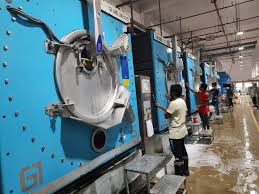
- Expertise in dyeing, printing, and finishing processes.
- Supplying fabrics for global apparel brands.
Their fabric output serves both domestic and international markets.
Garment Manufacturing
The group’s integrated operations extend to the final stage: garment manufacturing. Opex & Sinha Textile Group produces a vast range of ready-made garments. These include shirts, t-shirts, trousers, jackets, and more.
They work with international buyers and brands, producing garments to their exact specifications. This segment is a major contributor to their business. It showcases their ability to manage complex supply chains.
A typical order could be for a large quantity of branded t-shirts. These would be shipped to a major retailer in Europe or North America. The group’s garment factories are equipped with modern machinery.
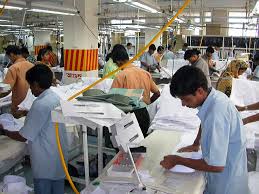
They employ a large workforce trained in garment construction. They pay close attention to quality control at every step.
- Manufacturing of knit and woven garments.
- Producing a variety of apparel for men, women, and children.
- Serving major international fashion brands.
- Emphasis on design, fit, and finish.
- Efficient production lines and skilled labor.
Their garment division is a significant employer in Bangladesh.
Other Related Businesses
Beyond the core textile and garment production, the group might also be involved in related sectors. This could include spinning mills, dyeing facilities, or even logistics and shipping services. These ancillary operations support their main business.
They ensure a seamless flow from raw material to final product. Diversification into related areas can offer competitive advantages. It allows for better cost management and quality assurance.
- Potential involvement in textile chemical supply.
- Logistics and warehousing services for their own products.
- Investment in power generation to ensure stable operations.
- Recycling and waste management initiatives.
- Research and development in new textile materials.
These operations contribute to their overall operational efficiency and market standing.
Market Presence and Global Reach
Opex & Sinha Textile Group is not confined to Bangladesh alone. It has established a significant presence in the global market. Their products are exported to numerous countries.
This international reach is a sign of their competitiveness and product quality. They work with some of the world’s most recognized brands. This partnership builds trust and ensures continued business.
Their global footprint is a key aspect of their company profile.
Export Markets
The group exports its textile products and garments to major markets worldwide. Key destinations include North America, Europe, and Asia. Countries like the United States, Canada, Germany, the UK, Spain, and Japan are significant buyers.
The demand from these regions drives much of their production. They have built long-term relationships with clients in these countries.
- Supplying to major fashion retailers in North America.
- Providing fabrics and garments to European brands.
- Expanding presence in Asian markets.
- Meeting the diverse quality and compliance needs of different regions.
- Participating in international trade shows to showcase products.
Their export earnings significantly contribute to Bangladesh’s foreign exchange.
Relationships with International Brands
A hallmark of Opex & Sinha Textile Group’s success is its strong relationships with global brands. They are a trusted supplier for many leading apparel companies. These brands rely on the group for consistent quality, timely delivery, and competitive pricing.
Building these relationships takes years of hard work and consistent performance.
For example, a well-known sportswear brand might source its cotton t-shirts from them. Or a popular denim brand could depend on them for its jeans. These partnerships are crucial for the group’s stability and growth.
They also elevate the perception of Bangladesh’s textile industry.
- Partnerships with fast-fashion retailers.
- Supplying to luxury and mid-tier apparel brands.
- Collaborating on product development and design.
- Adhering to strict brand compliance standards.
- Long-standing relationships built on trust and reliability.
These collaborations demonstrate their capability to meet high industry standards.
Competitive Landscape
The textile industry is highly competitive. Opex & Sinha Textile Group operates in an environment with many local and international players. However, their integrated model, scale of operations, and focus on quality give them an edge.
They compete on price, quality, lead times, and ethical production practices.
| Factor | Opex & Sinha Advantage | Competitor Challenge |
|---|---|---|
| Integration | From yarn to garments, controlling the whole process. | May rely on multiple suppliers, risking delays. |
| Scale | Large production capacity meets bulk orders. | Smaller firms might struggle with large volumes. |
| Quality | Strict quality control at each stage. | Inconsistent quality can lead to product rejection. |
| Price | Efficiency can lead to competitive pricing. | High input costs can make pricing difficult. |
They consistently strive to improve efficiency. This helps them stay ahead in a crowded market.
Commitment to Sustainability and Ethics
In today’s world, businesses are increasingly judged on their environmental and social impact. Opex & Sinha Textile Group recognizes this importance. They are committed to sustainable and ethical practices throughout their operations.
This is not just good for the planet and people, but also for their brand reputation. Consumers and brands are increasingly demanding transparency and responsibility.
Environmental Responsibility
The textile industry can have a significant environmental footprint. Opex & Sinha Textile Group works to minimize this. They implement measures to reduce water usage and energy consumption.
Waste management and pollution control are also key focus areas. Investments in eco-friendly technologies are vital.
- Water conservation in dyeing and finishing processes.
- Energy efficiency measures in factories.
- Responsible waste disposal and recycling programs.
- Use of eco-friendly dyes and chemicals where possible.
- Monitoring and reducing greenhouse gas emissions.
Their efforts contribute to a greener textile sector.
Social Responsibility and Labor Practices
A company’s success also relies on its people. Opex & Sinha Textile Group emphasizes fair labor practices. They provide safe working conditions for their employees.
Compliance with labor laws and international standards is a priority. This includes fair wages, reasonable working hours, and no child labor.
The group ensures that its factories are safe environments. They often have programs for employee well-being and skill development. This creates a loyal and productive workforce.
It also builds trust with international buyers who have strict social compliance requirements.
- Ensuring safe and healthy working environments.
- Adherence to fair wage policies.
- Respecting employees’ rights to association.
- Prohibiting child labor and forced labor.
- Investing in employee training and development.
These practices are fundamental to their corporate identity.
Certifications and Standards
To demonstrate their commitment, Opex & Sinha Textile Group likely holds various certifications. These could include ISO standards for quality and environmental management. They may also comply with social compliance audits required by their buyers.
Examples include BSCI, SEDEX, or WRAP certifications. These certifications provide third-party validation of their practices.
For instance, achieving an ISO 14001 certification shows strong environmental management. A WRAP certification means their factories meet ethical and legal standards for manufacturing. These are important for market access and brand trust.
- ISO 9001 for Quality Management.
- ISO 14001 for Environmental Management.
- Social compliance audits like BSCI or SEDEX.
- Specific buyer-mandated certifications.
- Commitment to ongoing improvement and audits.
These accreditations reinforce their position as a responsible manufacturer.
Economic Contribution to Bangladesh
The Opex & Sinha Textile Group plays a vital role in Bangladesh’s economy. The textile and garment sector is a cornerstone of the country’s GDP. This group is a major contributor to this sector.
Their operations create jobs and generate export revenue. Their presence also fosters growth in supporting industries.
Job Creation
As a large manufacturing entity, Opex & Sinha Textile Group is a significant employer. They employ thousands of people across their various facilities. This provides livelihoods for many families.
The jobs range from factory floor workers to management and administrative roles. Their expansion directly leads to increased employment opportunities.
- Direct employment in spinning, weaving, dyeing, and garment units.
- Indirect employment through supply chains and logistics.
- Opportunities for skilled and unskilled labor.
- Contribution to poverty reduction through wage employment.
- Empowerment of a large workforce, including many women.
The group’s scale means its employment impact is substantial.
Export Revenue Generation
Bangladesh is a global leader in garment exports. Opex & Sinha Textile Group is a major exporter. The revenue generated from their international sales is substantial.
This foreign currency inflow is critical for the country’s economic stability and development. It helps fund imports and investments.
The value of textiles and garments exported by the group each year can be in the hundreds of millions of dollars. This makes them a key player in the national export economy.
| Year (Hypothetical) | Export Revenue (USD Millions) | Percentage of National Textile Exports (Hypothetical) |
|---|---|---|
| 2022 | 450 | 5% |
| 2023 | 480 | 5.2% |
Their consistent export performance is vital for the nation.
Industrial Development and Investment
The group’s continuous investment in modern technology and infrastructure drives industrial progress. They bring new manufacturing techniques and global standards to Bangladesh. This attracts further investment into the sector.
Their success encourages other businesses to grow and innovate. They act as a catalyst for broader industrial development.
- Investment in advanced machinery and automation.
- Development of industrial parks and facilities.
- Introduction of new product types and materials.
- Fostering a culture of innovation and efficiency.
- Encouraging backward and forward linkages in the industry.
This investment creates a more competitive and modern industrial base for Bangladesh.
Common Myths Debunked
Myth 1: Textile manufacturing is always environmentally harmful.
While textile production can have environmental impacts, many companies like Opex & Sinha Textile Group are actively working to reduce their footprint. They invest in water-saving technologies, energy-efficient machinery, and responsible waste management. Modern textile factories are much more conscious of their environmental responsibilities than in the past.
They implement strict protocols to minimize pollution.
Myth 2: Garment factory jobs are low-skill and exploitative.
While entry-level positions exist, the garment industry requires a wide range of skills. Many roles involve technical expertise in operating machinery, quality control, and logistics. Responsible companies like Opex & Sinha provide training and ensure fair wages, safe conditions, and reasonable working hours.
They also offer opportunities for career advancement.
Myth 3: Bangladeshi textiles are only for low-cost markets.
This is untrue. Opex & Sinha Textile Group, for instance, produces high-quality fabrics and garments for many leading international brands. These brands demand strict quality standards, ethical production, and adherence to design specifications.
This proves that Bangladeshi manufacturers are capable of producing world-class products. Their integration and technological advancements support this.
Myth 4: Sustainability in textiles is too expensive for developing countries.
While initial investments may be higher, sustainable practices often lead to long-term cost savings. For example, energy efficiency reduces utility bills, and water conservation lowers operational costs. Furthermore, global brands are increasingly prioritizing suppliers with strong sustainability credentials.
Investing in sustainability can therefore enhance market access and brand value, making it economically viable.
Frequently Asked Questions
Question: What are the main products of Opex & Sinha Textile Group?
Answer: The group produces a wide range of textile products, including yarns, various types of fabrics, and finished garments like shirts, t-shirts, and trousers.
Question: Which countries import from Opex & Sinha Textile Group?
Answer: They export to major global markets including North America, Europe, and other parts of Asia, serving well-known international brands.
Question: Does Opex & Sinha Textile Group follow ethical labor practices?
Answer: Yes, the company is committed to providing safe working conditions, fair wages, and respecting labor laws and international standards.
Question: How does the group contribute to Bangladesh’s economy?
Answer: They create thousands of jobs, generate significant export revenue, and drive industrial development through investment and innovation.
Question: What is the company’s approach to environmental impact?
Answer: They focus on minimizing their environmental footprint through water conservation, energy efficiency, responsible waste management, and using eco-friendly materials where possible.
Wrap Up
Opex & Sinha Textile Group Bangladesh company profile shows a strong, integrated textile giant. They excel from yarn creation to finished garments. Their global reach and commitment to quality and ethics set them apart.
They are a vital contributor to Bangladesh’s economy. Explore their products and practices to see their impact.