Standard Group Bangladesh Factory Export Capacity Explained

Figuring out the Standard Group Bangladesh garments factory export capacity can seem tricky at first, especially if you’re new to the textile industry. It involves many moving parts, from how many clothes a factory can make to how they get them to customers around the world. But don’t worry, it’s not as complicated as it sounds.
We’ll break it down simply, step by step. Get ready to learn how this big picture works and what it means for getting products made.
Key Takeaways
- Understand what export capacity means for garment factories.
- Learn about the factors that influence how much a factory can export.
- Discover how to assess and improve a factory’s export potential.
- See how Standard Group Bangladesh fits into the global market.
- Find out the benefits of knowing a factory’s export strength.
Understanding Garment Factory Export Capacity
Export capacity for a garment factory refers to the maximum amount of finished clothing products it can produce and ship to international markets within a specific period. This isn’t just about how many machines a factory has or how many workers are on the floor. It involves a complex interplay of production capabilities, supply chain efficiency, quality control, and logistical readiness.
For beginners, grasping this concept is vital because it directly impacts order fulfillment, delivery timelines, and a factory’s overall reliability as a business partner. A well-defined export capacity means a factory can handle larger orders consistently, meeting global demand without delays or quality issues. It’s the backbone of international trade for textile manufacturers.
Production Volume and Machinery
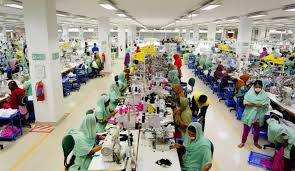
The sheer number of sewing machines and other essential equipment directly dictates how much output a factory can achieve. Think of it like a production line; more stations mean more items can be processed simultaneously. This includes not just sewing machines but also cutting machines, pressing equipment, and finishing tools.
The type and technology of these machines also matter. Modern, automated machines can produce higher volumes faster and with greater precision compared to older models.
- Machines are the heart of production. More machines and better machines mean higher potential output. This is a direct measure of physical capability.
For instance, a factory with 500 industrial sewing machines might have a higher production potential than one with only 200, assuming similar worker efficiency and operational hours. The speed at which these machines can operate and the complexity of the garments they are designed for also play a role. A factory specializing in simple t-shirts will have a different capacity calculation than one making intricate formal wear.
Workforce Size and Skill Level
The number of skilled workers is a critical component of export capacity. Even with advanced machinery, without enough trained personnel to operate it, manage the workflow, and perform tasks like fabric cutting, quality checks, and packing, production will lag. The skill level of the workforce is equally important.
Experienced tailors and operators can work faster and produce higher quality garments, reducing errors and rework, which further enhances effective capacity.
- A skilled and sufficient workforce is essential. Without people to operate machines and manage processes, the factory’s output will be limited.
Consider a scenario where a factory has state-of-the-art machinery but lacks experienced pattern makers or quality inspectors. This bottleneck can significantly limit the volume of defect-free garments that can be exported. Conversely, a factory with a highly skilled team can often maximize the output of existing equipment, demonstrating that human capital is as vital as physical assets.
Training programs and continuous skill development are key for maintaining and increasing this aspect of capacity.
Operational Efficiency and Workflow
How a factory organizes its production process, from receiving raw materials to shipping finished goods, significantly impacts its export capacity. Efficient workflow minimizes idle time for machines and workers, reduces bottlenecks, and ensures a smooth flow of materials. This includes effective inventory management, timely material procurement, and streamlined assembly lines.
Poor operational efficiency can lead to delays, increased costs, and a reduced ability to meet export deadlines.
- Streamlined operations make factories faster and more reliable. Good organization means less wasted time and better use of resources.
A factory might have ample machines and workers, but if the process of moving fabric from the cutting table to the sewing stations is slow or disorganized, production will suffer. Implementing lean manufacturing principles or using advanced production planning software can dramatically improve efficiency. For example, a factory that uses a just-in-time inventory system for its fabrics and trims, coupled with a well-designed assembly line layout, can process orders much faster than one that relies on bulk storage and ad-hoc material handling.
Supply Chain Management
A strong supply chain is fundamental to consistent export capacity. This involves reliable sourcing of raw materials like fabrics, threads, and accessories, as well as efficient logistics for shipping finished products. If a factory cannot secure high-quality materials on time, its production schedule will be disrupted, regardless of its internal capabilities.
Similarly, a smooth and predictable shipping process is crucial for meeting international delivery commitments.
- Getting materials on time and shipping products smoothly are key. A weak supply chain can stop even the best factories from exporting enough.
Imagine a factory that is ready to produce 10,000 shirts but faces a delay in receiving the specific shade of blue fabric required. This single delay can halt production for that order and impact subsequent orders, effectively reducing the factory’s export capacity for that period. Building strong relationships with trusted fabric mills and logistics providers, and having contingency plans for material shortages or shipping disruptions, are vital for maintaining consistent export capability.
Factors Influencing Standard Group Bangladesh Garments Factory Export Capacity
When we talk about the Standard Group Bangladesh garments factory export capacity, several specific factors come into play that are particularly relevant to operations in Bangladesh. These include government policies, infrastructure development, labor laws, and the global market demand for ready-made garments. Bangladesh has emerged as a major global apparel manufacturing hub, and its success is built on a combination of competitive labor costs, a dedicated workforce, and increasing investment in modern production facilities.
However, challenges like ensuring worker safety, upgrading infrastructure, and maintaining competitive pricing in a fluctuating global market also significantly shape the export potential of factories like Standard Group. Understanding these influences helps paint a clearer picture of how much they can produce and export.
Government Policies and Incentives
Government support, including favorable trade agreements, tax incentives, and investment policies, can significantly boost a garment factory’s export capacity. Bangladesh has historically offered various incentives to its garment sector to encourage growth and job creation. These policies can make it more attractive for factories to expand their operations and invest in new technologies, directly impacting their ability to produce more for export markets.
- Government support and trade deals can greatly help factories export more. Policies that encourage growth make factories stronger.
For example, if the government negotiates duty-free access to major markets for Bangladeshi garments, factories can offer more competitive pricing, leading to increased orders and thus a higher effective export capacity. Conversely, changes in import tariffs or regulations in target countries can create barriers that reduce export volumes. Standard Group, like other major players, benefits from or navigates these policy landscapes to optimize its export reach.
Infrastructure and Logistics
The quality of infrastructure, such as ports, roads, and power supply, directly affects a factory’s ability to export efficiently. Bangladesh has made strides in improving its infrastructure, but challenges remain. Reliable power is essential for uninterrupted production, and efficient port operations are critical for timely shipment of goods.
The presence of well-developed logistics networks ensures that raw materials reach factories and finished products reach buyers without undue delays or cost increases.
- Good roads, ports, and power are super important. If these are bad, it’s harder and slower to get clothes out to other countries.
Consider the impact of port congestion. If goods for export are stuck at the port for days due to inefficiencies, it not only incurs demurrage charges but also delays subsequent production runs. Investments in expanding port capacity and improving road connectivity to manufacturing hubs are crucial for enhancing the overall export capacity of the nation’s garment sector.
Standard Group’s success is partly dependent on these external infrastructure developments.
Labor Laws and Worker Welfare
Labor laws and the focus on worker welfare have a profound impact on the garment industry, especially in the context of international scrutiny and ethical sourcing demands. Regulations concerning working hours, wages, safety standards, and union rights influence operational costs and factory management practices. Factories that adhere to stringent labor laws and promote worker well-being often experience higher employee morale, lower turnover, and improved productivity, which indirectly enhances their export capacity by ensuring stable operations and a committed workforce.
- Fair treatment of workers and safe workplaces are good for business. Happy, safe workers are more productive and help factories export more reliably.
Following the Rana Plaza disaster, Bangladesh significantly improved its factory safety regulations. Compliance with these improved standards requires investment but also builds trust with international buyers who increasingly prioritize ethical production. A factory like Standard Group, known for its commitment to these standards, can leverage this reputation to secure long-term contracts with buyers who value responsible manufacturing, thereby solidifying its export capacity.
Global Market Demand and Trends
The ever-changing demands of the global fashion market play a crucial role in shaping a factory’s export capacity. Fluctuations in consumer preferences, the rise of fast fashion, and the increasing demand for sustainable apparel all influence the types and volumes of orders a factory receives. Factories must be agile and adaptable to capitalize on these trends, investing in the right product lines and production capabilities to meet current market needs.
- What people want to buy changes all the time. Factories that can make what’s popular can export more.
For instance, if there’s a sudden surge in demand for athleisure wear, a factory that can quickly retool its production lines to accommodate the manufacturing of activewear will see its export capacity utilized more fully than one that remains focused on traditional apparel. Standard Group must continuously monitor these market dynamics to align its production strategies with global consumer desires, ensuring its export capacity is consistently relevant and in demand.
Assessing and Improving Export Capacity
Determining the true export capacity of a factory like Standard Group Bangladesh involves more than just looking at numbers on paper. It requires a thorough assessment of all operational aspects, from raw material sourcing to the final dispatch of goods. For businesses looking to partner with such factories, understanding this capacity helps in planning order volumes and timelines effectively.
Improving this capacity isn’t a one-time fix; it’s an ongoing process that involves strategic investments in technology, training, and process optimization. By continuously evaluating and enhancing these areas, factories can expand their reach, take on larger orders, and become more competitive on the global stage.
Quantitative Assessment Methods
To gauge a factory’s export capacity, quantitative methods are employed. These involve calculating potential output based on machine availability, worker shifts, efficiency rates, and production cycle times. A common approach is to determine the maximum output per machine or per worker per hour and then extrapolate this across the entire production floor and available working days.
This provides a tangible, numerical benchmark of what the factory can achieve.
- Measuring output with numbers helps. Calculating how many items can be made per hour, per worker, and per machine gives a clear target.
For example, if a sewing machine can produce 20 t-shirts per hour, and a factory has 100 such machines operating for 8 hours a day, 5 days a week, its theoretical maximum output for t-shirts would be 100 machines 20 shirts/hour 8 hours/day * 5 days/week = 80,000 shirts per week. However, this is a theoretical maximum and needs to be adjusted for real-world factors like maintenance, breaks, and material delays.
Qualitative Assessment Factors
Beyond numbers, qualitative aspects are equally crucial. This includes evaluating the factory’s management quality, its quality control systems, its adaptability to new designs and techniques, and its overall corporate culture. A factory with strong leadership, a well-trained quality assurance team, and a commitment to innovation is more likely to achieve and sustain high export volumes consistently and with superior product quality.
- Good management and a focus on quality matter a lot. A factory that’s well-run and cares about making good products can handle more.
A factory might have the machinery to produce a million units, but if its quality control process is weak, leading to a high rejection rate, its effective export capacity for saleable goods will be much lower. Similarly, a factory that struggles to adapt to new fabric types or complex garment constructions will limit its ability to take on orders for trendier, higher-value items, thus capping its growth potential.
Technology and Automation
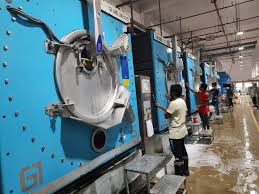
Investing in modern technology and automation is a key strategy for increasing export capacity. Automated cutting systems, advanced sewing machines, and sophisticated finishing equipment can significantly speed up production, improve precision, and reduce labor costs. Embracing Industry 4.0 principles, such as data analytics for production monitoring and AI-driven quality checks, can further optimize operations and boost output.
- Using new machines and automation speeds things up. Modern technology helps factories make more and better products faster.
A case study from a leading apparel manufacturer showed that implementing automated fabric spreading and cutting machines reduced cutting time by 50%, allowing the sewing department to receive materials more quickly and increasing overall throughput by 15%. This technological upgrade directly translates to a higher export capacity. Standard Group’s continuous investment in such technologies is vital for maintaining its competitive edge.
Training and Skill Development
A well-trained and skilled workforce is indispensable for maximizing export capacity. Continuous training programs that enhance workers’ proficiency in operating machinery, executing complex sewing techniques, and adhering to quality standards are essential. Investing in employee development not only improves productivity but also fosters a sense of loyalty and commitment, leading to reduced staff turnover and a more stable production environment.
- Training workers makes them better at their jobs. Skilled workers mean fewer mistakes and more clothing produced efficiently.
For example, a factory that provides specialized training on handling delicate fabrics or intricate embroidery can position itself to take on higher-value orders that others cannot fulfill. This specialized skill set effectively increases the factory’s capacity to serve niche markets and command premium prices, thereby expanding its export potential beyond basic garment production.
Benchmarking and Continuous Improvement
Regularly benchmarking export capacity against industry standards and competitors allows factories to identify areas for improvement. A commitment to continuous improvement, often driven by methodologies like Kaizen or Six Sigma, ensures that processes are constantly refined to enhance efficiency, reduce waste, and increase output. This ongoing focus on optimization is what allows factories to sustain and grow their export capabilities over time.
- Comparing with others and always trying to get better is smart. This leads to constant upgrades and higher production over time.
A factory might notice that its competitors are consistently delivering orders faster. By benchmarking, it can identify that its internal material handling process is slower. Implementing a simple improvement, like reorganizing the warehouse layout or introducing a new tracking system for materials, can lead to significant gains in delivery speed and overall export capacity.
Standard Group Bangladesh Garments Factory Export Capacity In Focus
The Standard Group Bangladesh garments factory export capacity is a key indicator of its standing in the global textile market. As one of the leading garment manufacturers in Bangladesh, Standard Group operates multiple factories equipped with advanced technology and a large, skilled workforce. Their capacity is not static; it’s a dynamic figure influenced by their ongoing investments in modernization, their strategic approach to market demands, and their ability to maintain high standards of quality and ethical production.
Understanding their export capacity provides insight into their role as a major supplier for international brands and their contribution to Bangladesh’s export economy. This section will explore how Standard Group manages and potentially expands its output to meet global needs.
Production Facilities and Scale
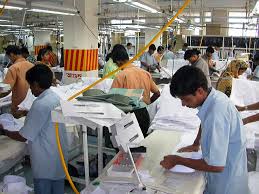
Standard Group operates a considerable number of manufacturing units spread across Bangladesh. These facilities are designed for large-scale production, housing thousands of sewing machines and other specialized equipment. The scale of their operations allows them to handle substantial orders from major international retailers, a testament to their significant export capacity.
They have invested heavily in modern infrastructure to ensure efficiency and the ability to produce a wide range of apparel products.
- Standard Group has many factories. Their size means they can make a lot of clothes for global buyers.
Their facilities are equipped to produce various types of garments, from basic knitwear to more complex woven items. This diversification in product capability, coupled with their sheer production volume, is a core element of their export capacity. The ability to manage such a large operational footprint efficiently underscores their expertise in large-scale garment manufacturing.
Product Diversification and Specialization
While Standard Group has the capacity for mass production, they also focus on diversifying their product offerings. This includes handling different fabric types, garment constructions, and finishing techniques. This specialization allows them to cater to a broader range of buyer requirements and to adapt to evolving fashion trends, thus enhancing their overall export potential.
They can produce everything from everyday wear to more fashion-forward items.
- They make many different kinds of clothes. This ability to be flexible helps them export more types of garments.
By specializing in certain product categories while maintaining broad capabilities, Standard Group can effectively serve multiple market segments. For instance, they might have dedicated lines for denim, activewear, or children’s clothing, each optimized for specific production processes and quality standards. This strategic diversification maximizes their ability to secure and fulfill a wide array of international orders.
Commitment to Quality and Compliance
A significant aspect of Standard Group’s export capacity is its unwavering commitment to international quality standards and compliance. They adhere to strict quality control measures at every stage of production, ensuring that their products meet the exacting requirements of global brands. This dedication to quality, alongside compliance with labor and environmental regulations, builds trust with buyers and secures long-term partnerships, which are crucial for sustained export volume.
- Making sure clothes are high quality and made ethically is important to them. This makes buyers trust them and order more.
Their compliance with international audits and certifications, such as BSCI, SEDEX, and various brand-specific standards, demonstrates their commitment. This not only ensures market access but also enhances their reputation, making them a preferred supplier for brands that prioritize responsible manufacturing. This focus on ethical and quality production is a silent but powerful driver of their export capacity.
Technological Integration and Innovation
Standard Group actively integrates modern technology and embraces innovation in its manufacturing processes. This includes investing in state-of-the-art machinery, adopting efficient production management systems, and exploring new manufacturing techniques. By staying at the forefront of technological advancements, they can improve efficiency, reduce lead times, and enhance the quality of their products, all of which contribute to a stronger and more adaptable export capacity.
- They use new technology and try new ways of making clothes. This makes their factories more efficient and able to produce more.
Their adoption of automated systems for cutting and sewing, along with advanced fabric handling techniques, allows them to optimize resource utilization and minimize production cycle times. This continuous pursuit of innovation ensures that Standard Group remains competitive and capable of meeting the evolving demands of the global apparel market.
Benefits of Knowing a Factory’s Export Capacity
Understanding the Standard Group Bangladesh garments factory export capacity offers numerous advantages for various stakeholders, from the factory itself to the brands that source from them and even the broader economic landscape of Bangladesh. For businesses looking to place orders, knowing this capacity helps in realistic planning, ensuring that their production needs can be met without compromising on quality or delivery timelines. For the factory, clearly defined and growing export capacity means greater market reach, increased revenue, and a stronger competitive position.
It also highlights opportunities for expansion and investment. For Bangladesh as a nation, the robust export capacity of its garment factories contributes significantly to foreign exchange earnings, job creation, and overall economic development.
For Sourcing Businesses
For businesses sourcing garments, knowing a factory’s export capacity is fundamental to strategic procurement. It allows them to assess if a factory can handle the volume of their orders, meet their required delivery schedules, and maintain consistent quality. This knowledge prevents over-promising to their own customers and helps in selecting reliable manufacturing partners who can scale with their business needs.
It reduces the risk of production delays and order cancellations, which can be costly.
- Businesses know if a factory can make enough clothes on time. This helps them plan orders better and avoid problems.
A brand that requires 50,000 units of a specific t-shirt within three months can use export capacity data to identify factories capable of fulfilling such an order. If a factory’s stated capacity is only 20,000 units per month, it would be an unsuitable partner for that specific requirement, preventing a potentially problematic engagement. This informed selection process leads to smoother supply chains and happier end consumers.
For Factories like Standard Group
For factories like Standard Group, a clear understanding and continuous enhancement of export capacity are vital for growth and profitability. It enables them to set realistic production targets, invest strategically in new equipment or workforce expansion, and negotiate contracts with confidence. A high and growing export capacity also enhances a factory’s reputation, attracting more international buyers and potentially allowing for premium pricing due to reliability and scale.
It’s the basis for sustainable business development and a competitive edge.
- Factories know how much they can sell and where to invest. This helps them grow and make more money by being dependable.
By accurately assessing its production capabilities, Standard Group can identify which product lines are most profitable and where further investment would yield the best returns. This strategic insight allows them to proactively adapt to market shifts, rather than reactively struggling with demand, thereby ensuring long-term success.
Economic Impact on Bangladesh
The collective export capacity of garment factories in Bangladesh is a cornerstone of the nation’s economy. A strong export capacity means more garments are sold internationally, leading to significant foreign exchange earnings. This, in turn, fuels economic growth, creates widespread employment opportunities, and supports the development of ancillary industries.
It positions Bangladesh as a major global player in the textile industry, attracting further investment and fostering industrial advancement.
- More exports mean more money for Bangladesh. This creates jobs and helps the country’s economy grow stronger.
The garment sector is the largest export earner for Bangladesh, contributing over 80% of its total export revenue. The continuous increase in the export capacity of companies like Standard Group directly translates into more jobs for millions of workers, particularly women, and contributes to poverty reduction, making it a critical sector for the nation’s socioeconomic progress.
Ensuring Product Quality and Timeliness
A factory with a well-managed export capacity is better equipped to consistently deliver high-quality products on time. When capacity is aligned with demand, there is less pressure to rush production, which can lead to errors. This ensures that quality control measures are effectively implemented and that products meet buyer specifications and international standards.
Timely delivery is crucial for buyer satisfaction and future orders.
- When factories can handle orders without being rushed, products are better and arrive on time. This makes customers happy.
A factory operating significantly beyond its optimal capacity might cut corners on quality checks or push workers to the point of error. Conversely, a factory that understands its limits and has the capacity to meet demand comfortably can prioritize both quality and punctuality, building a reputation for reliability that is invaluable in the competitive global market.
Common Myths Debunked
Myth 1: Export capacity is just about the number of machines.
The reality is that export capacity is a multifaceted concept. While machinery is a critical component, it’s only one piece of the puzzle. Workforce skill, management efficiency, supply chain reliability, and technological integration all play equally vital roles.
A factory with many machines but an inefficient workflow or a shortage of skilled labor will not achieve its full potential export capacity.
Myth 2: Larger factories always have higher export capacity.
Not necessarily. While scale often correlates with capacity, a smaller, highly efficient, and well-managed factory can sometimes outperform a larger, less organized one. Factors like specialized production lines, streamlined processes, and a highly skilled niche workforce can allow smaller operations to achieve impressive export volumes for specific product types.
The key is efficiency and suitability for the market.
Myth 3: Export capacity is a fixed number.
Export capacity is dynamic and can be increased. Through strategic investments in technology, automation, workforce training, and process optimization, factories can systematically improve their output capabilities. It’s an ongoing process of enhancement rather than a static measure.
Factors like market demand can also influence how effectively a factory utilizes its existing capacity.
Myth 4: All factories in Bangladesh have similar export capacities.
Bangladesh has a diverse garment manufacturing sector. While many factories operate at a large scale, there is significant variation in their technological advancement, management practices, worker skill levels, and adherence to international standards. Therefore, their individual export capacities can differ widely.
Larger, more established groups like Standard Group generally possess higher and more sophisticated export capacities than smaller, less developed operations.
Frequently Asked Questions
Question: What is the primary measure of a garment factory’s export capacity
Answer: The primary measure is the maximum volume of finished garments a factory can produce and ship to international markets within a given timeframe.
Question: How does technology affect export capacity
Answer: Technology, like automation, speeds up production, improves precision, and can reduce labor costs, all of which increase a factory’s capacity to produce more goods.
Question: Is worker training important for export capacity
Answer: Yes, skilled and well-trained workers are more efficient, make fewer mistakes, and can operate complex machinery, directly boosting a factory’s output.
Question: What is the role of supply chain in export capacity
Answer: A reliable supply chain ensures timely delivery of raw materials and efficient shipping of finished goods, preventing production delays and ensuring smooth export operations.
Question: Can a factory increase its export capacity over time
Answer: Absolutely, through investments in machinery, technology, training, and process improvements, factories can continuously enhance their production capabilities.
Summary
Understanding the Standard Group Bangladesh garments factory export capacity means looking at more than just machinery. It involves their skilled workers, efficient operations, strong supply chains, and smart use of technology. By focusing on these areas, Standard Group and similar factories can produce more, deliver on time, and meet the demands of global buyers.
This strength not only helps their business grow but also contributes significantly to Bangladesh’s economy.